Stories make the world go round. Some turn it upside down; others, the right way round.
In a recent article for Institute of Art and Ideas News, Elleke Boehmer pointed out that the original iconic 1972 image of Earth taken from Apollo 17 that we know as the “blue marble” was tilted to put the northern hemisphere on top, whereas “Apollo 17’s camera had first pictured the planet as bearing the vast, white cap of Antarctica”. For the past few years, Boehmer’s creative and theoretical writing has been focused on reimagining the way we see the world. She argues that by shifting our perspective to the far southern hemisphere, we can discover a more wholesome and grounding way of being that does not neglect an essential frame of reference for understanding the ecological and sociopolitical reality we find ourselves in.
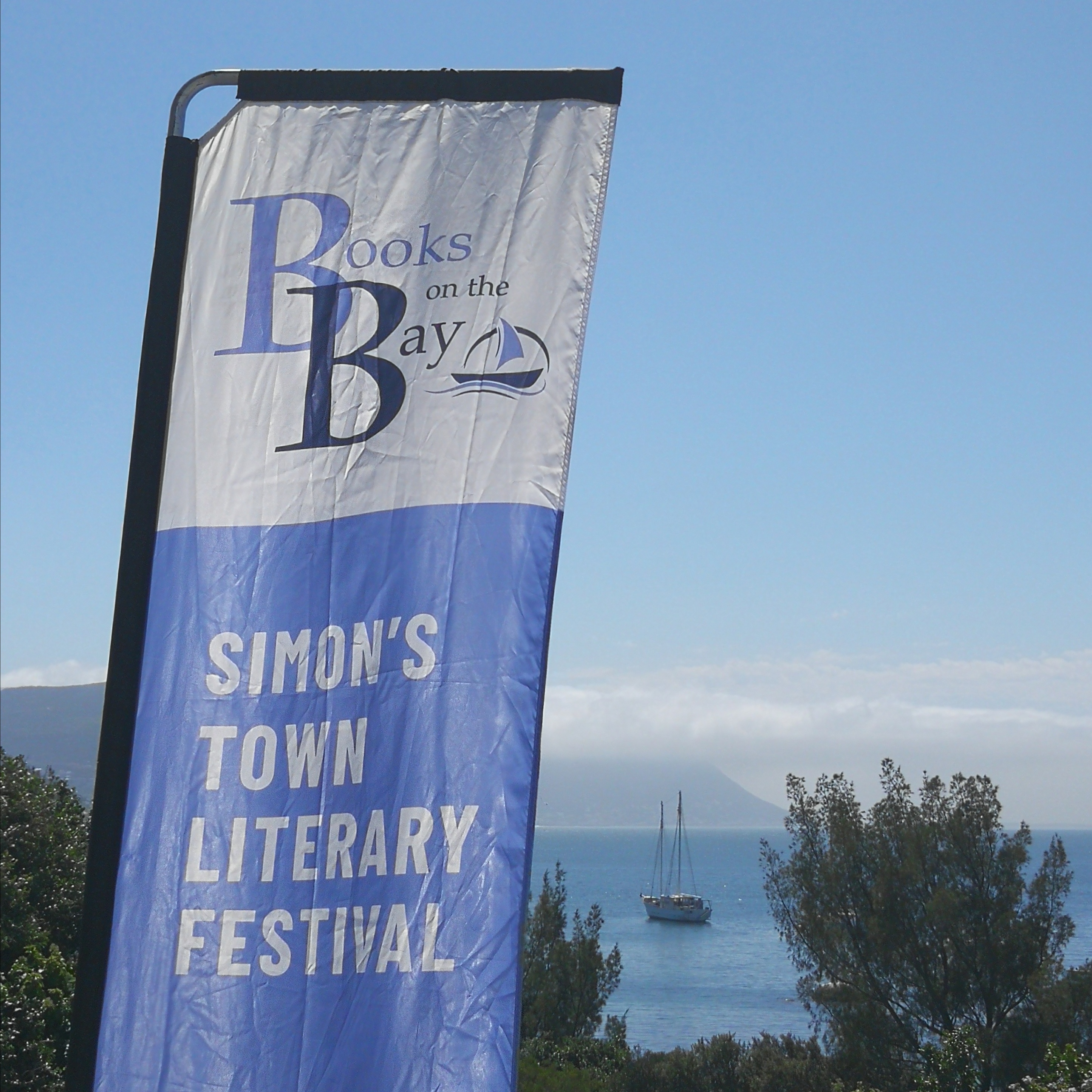
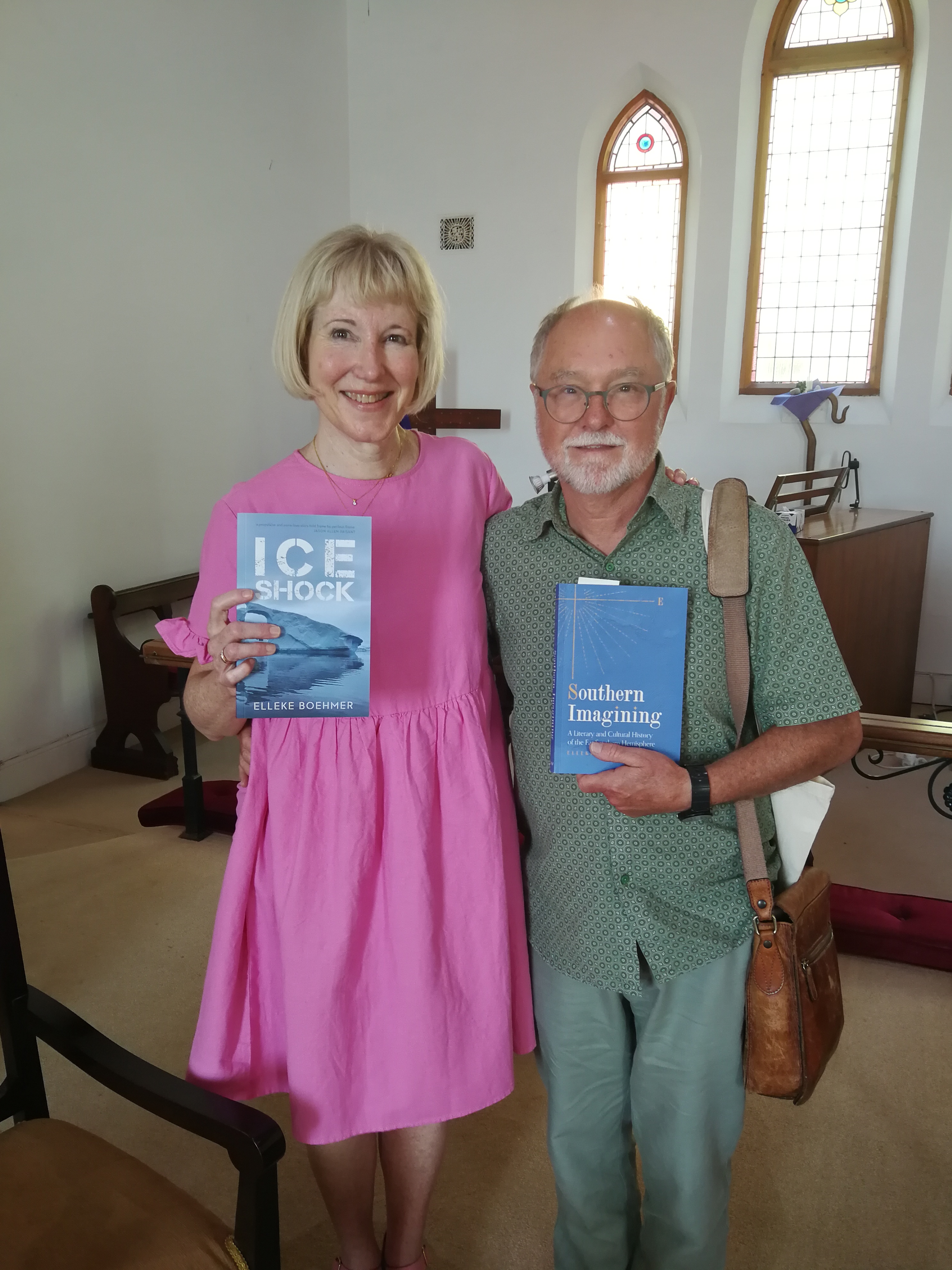
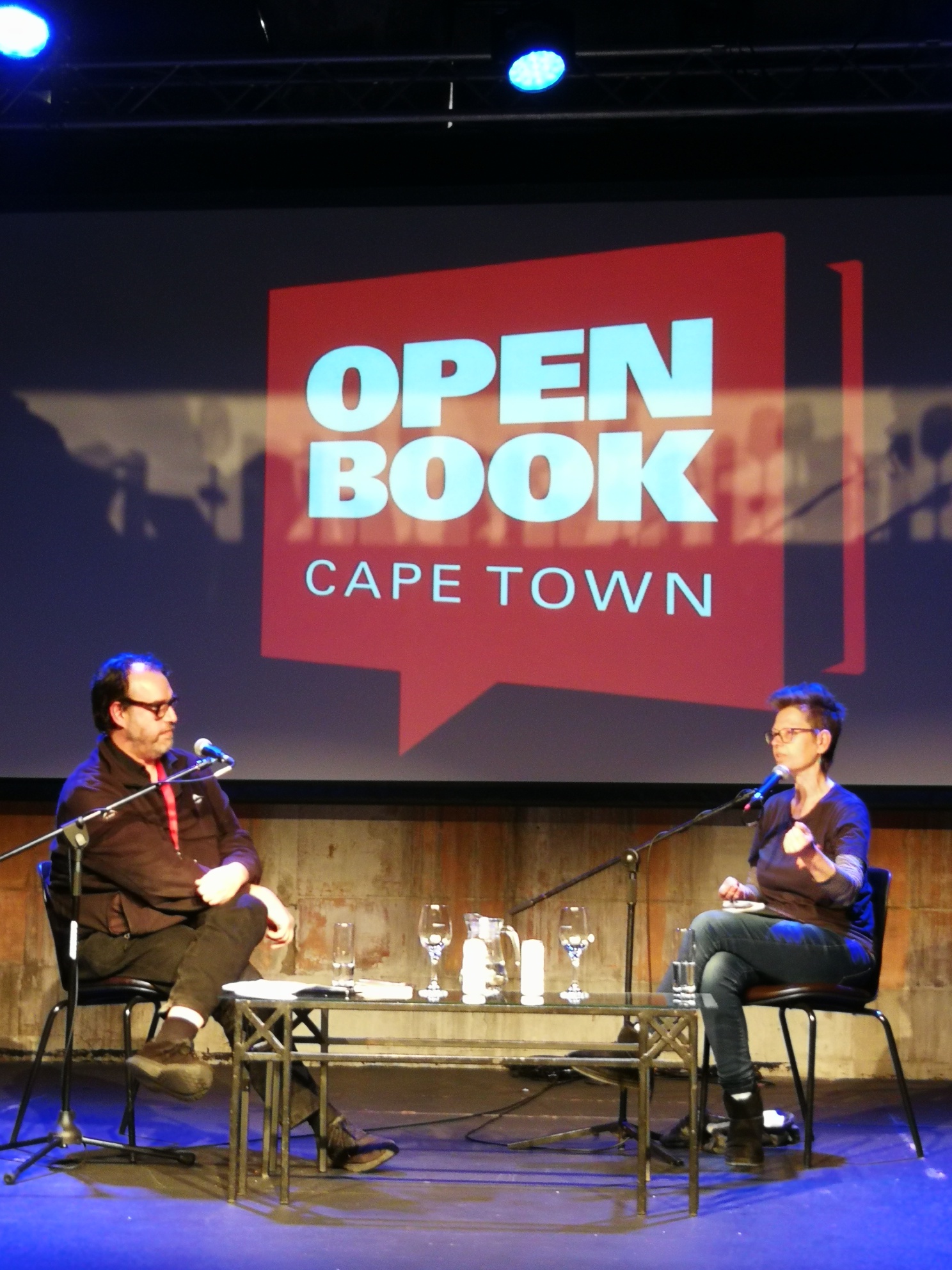
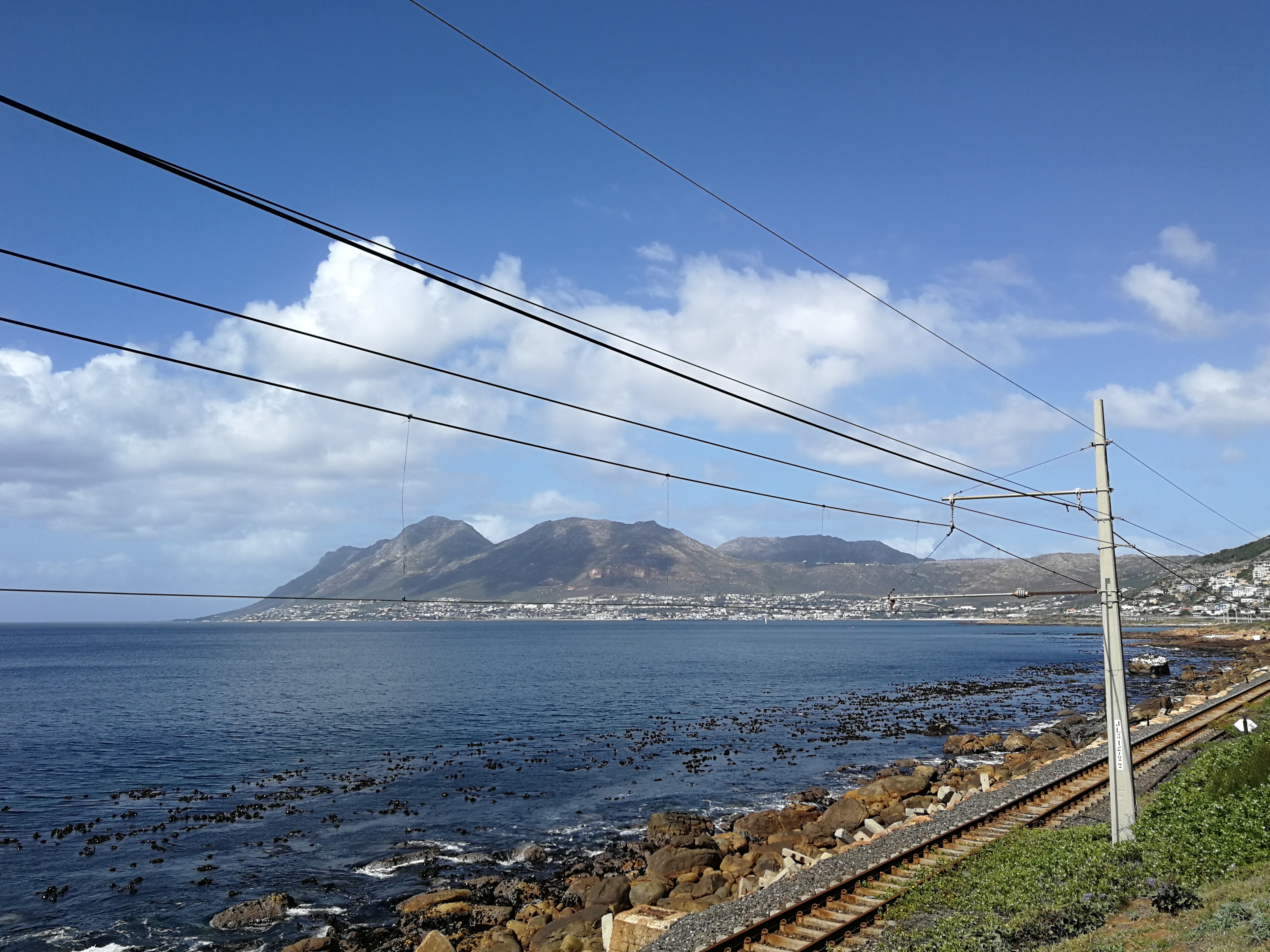
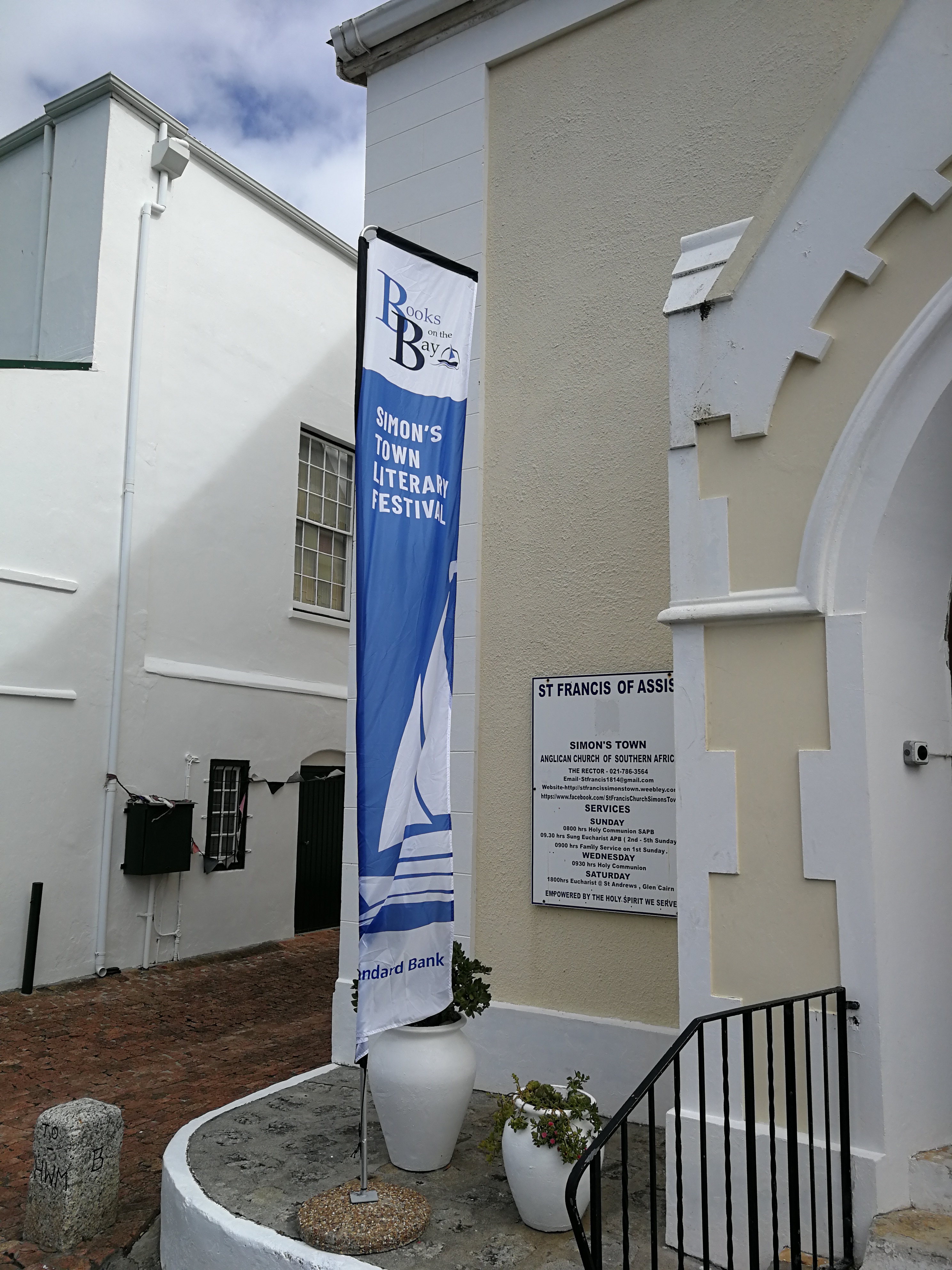
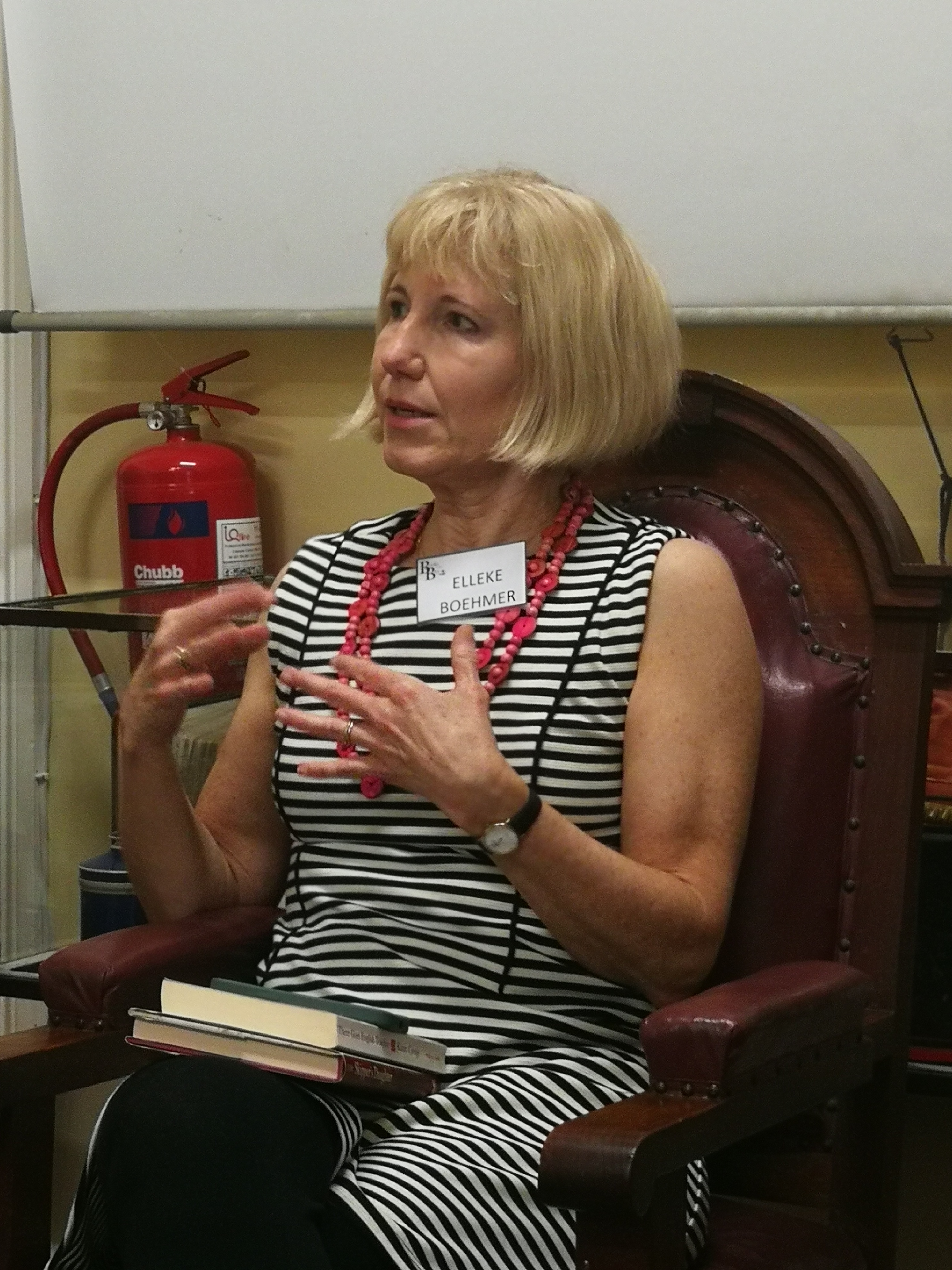
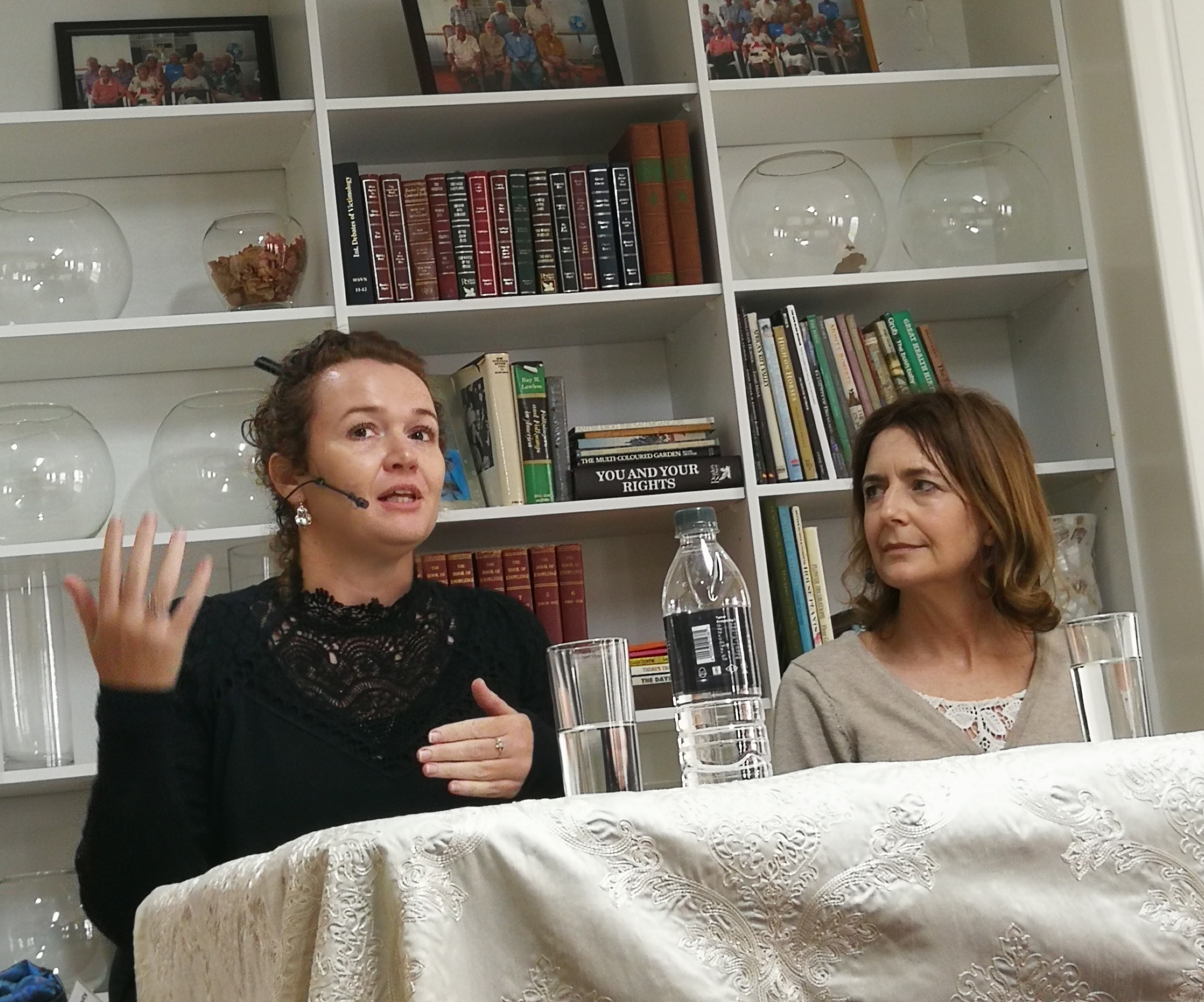
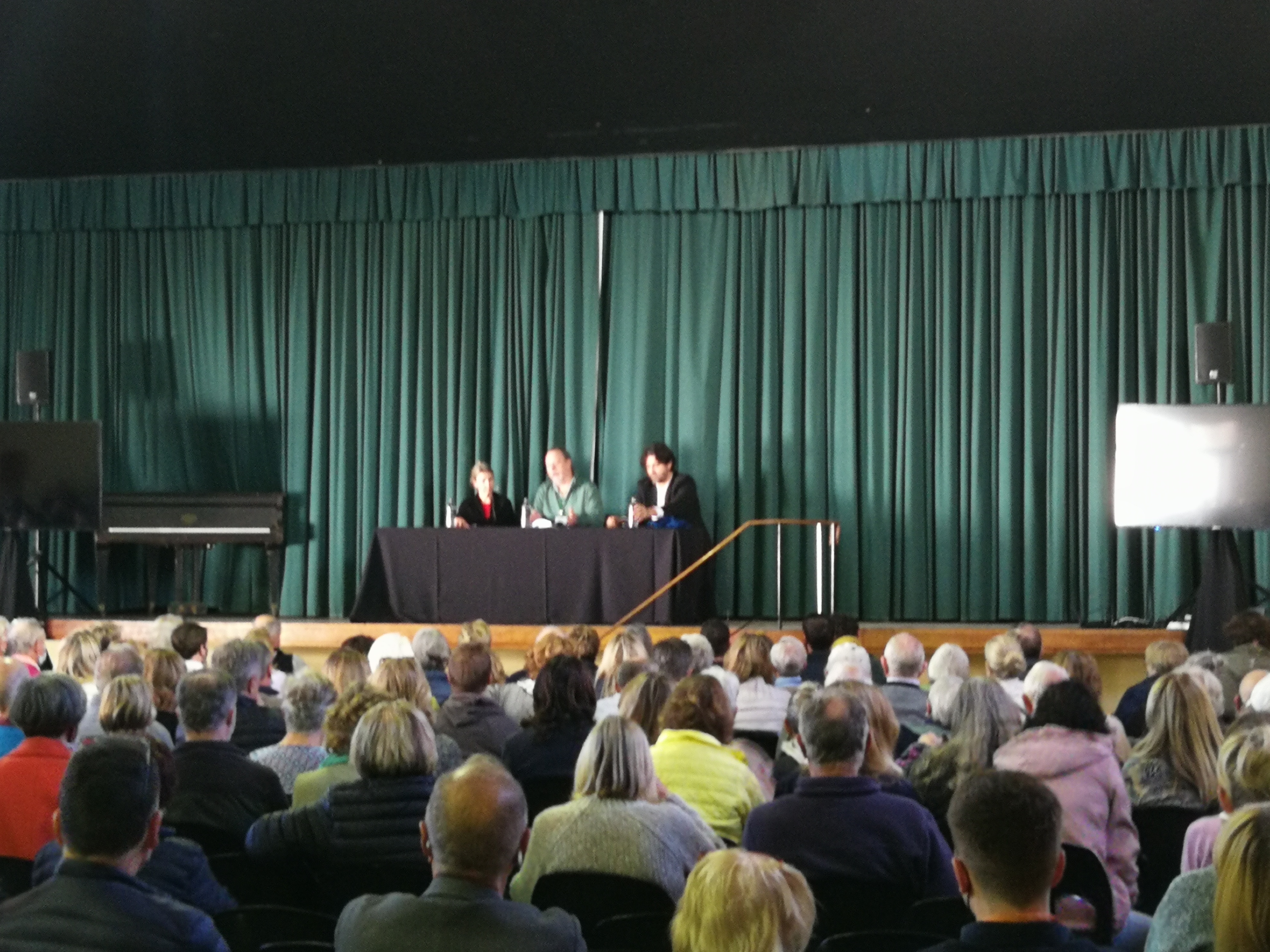
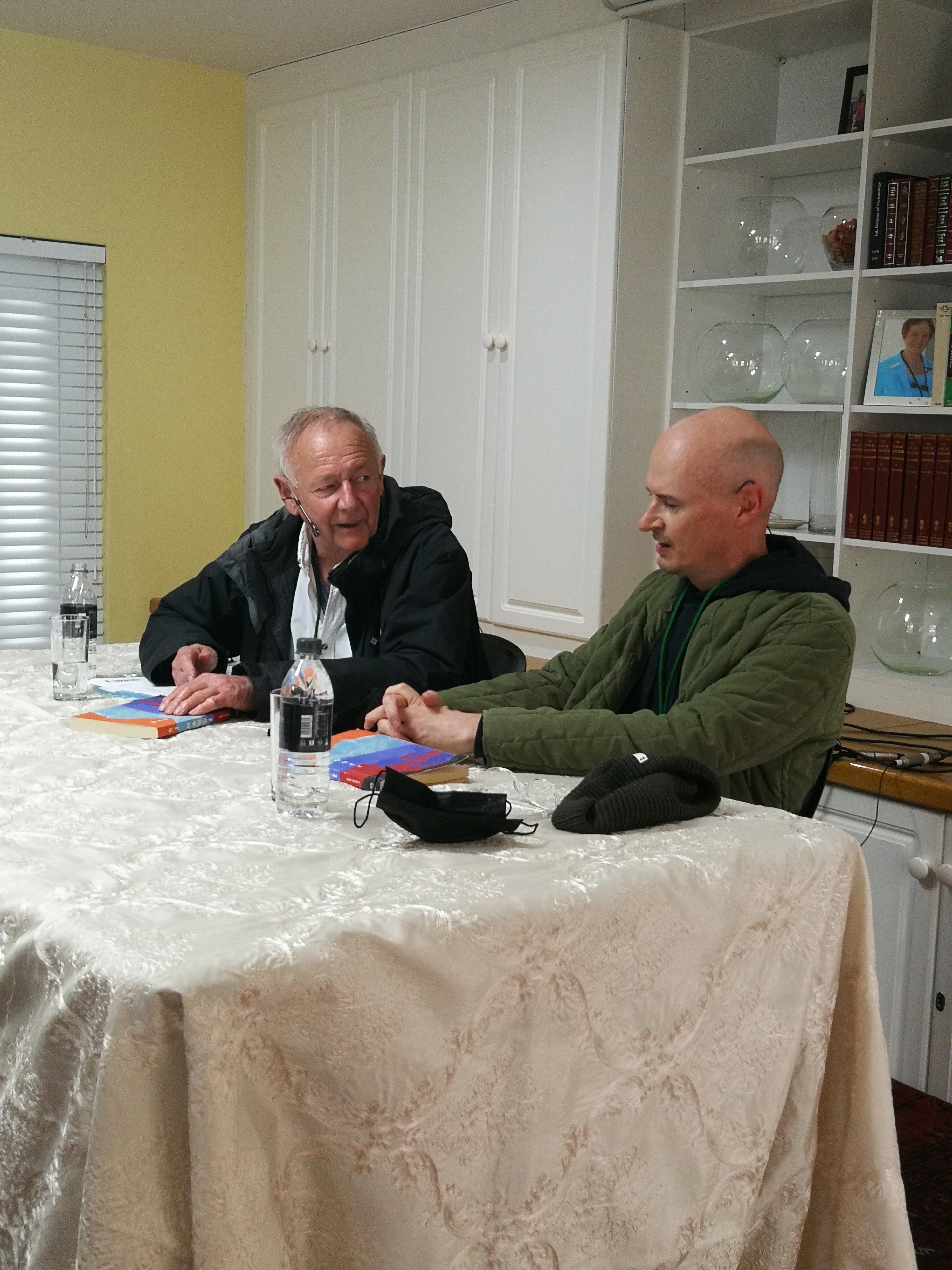
Boehmer launched her latest book, Southern imagining (Princeton & Wits UP), during her visit to South Africa earlier this month, and spoke to me about her novel, Ice shock (Karavan Press), at Books on the Bay, now in its fourth year. As one of the most southern literary festivals in Africa, Books on the Bay was the perfect occasion to begin dreaming from and in the South.
Ice shock is predominantly a love story, but it is also an environmental novel. In her incisive review of the book, Barbara Boswell mentioned the inescapable fact that “climate shapes destiny”. The story of Ice shock oscillates between the UK and the Antarctic, stopping a few times in South Africa in between. The love that binds the protagonists across the hemispheres is tested to the extreme and allows us to rethink our connectedness in personal and global terms, to understand how precarious our position is and to empower us to do something about it.
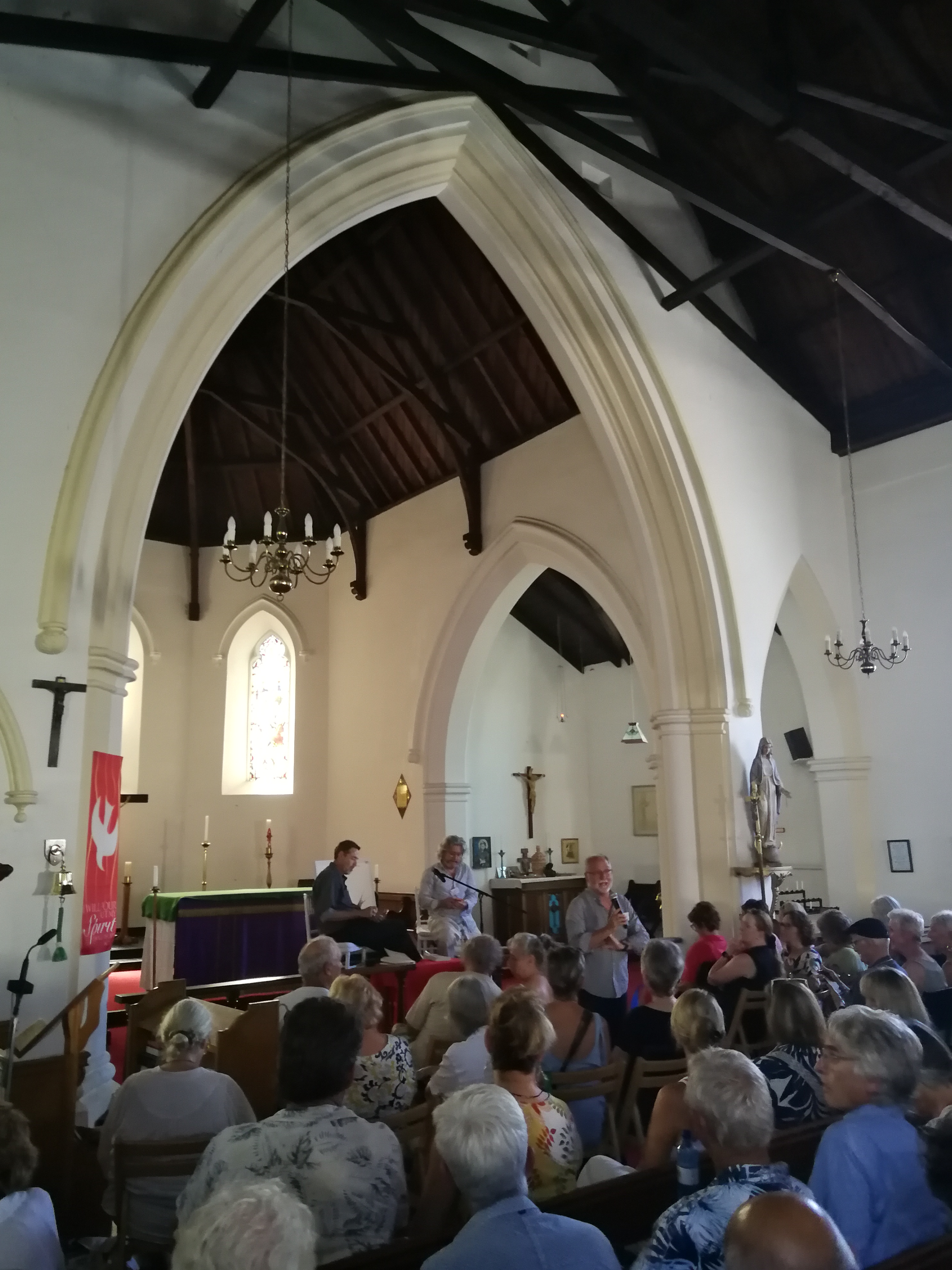
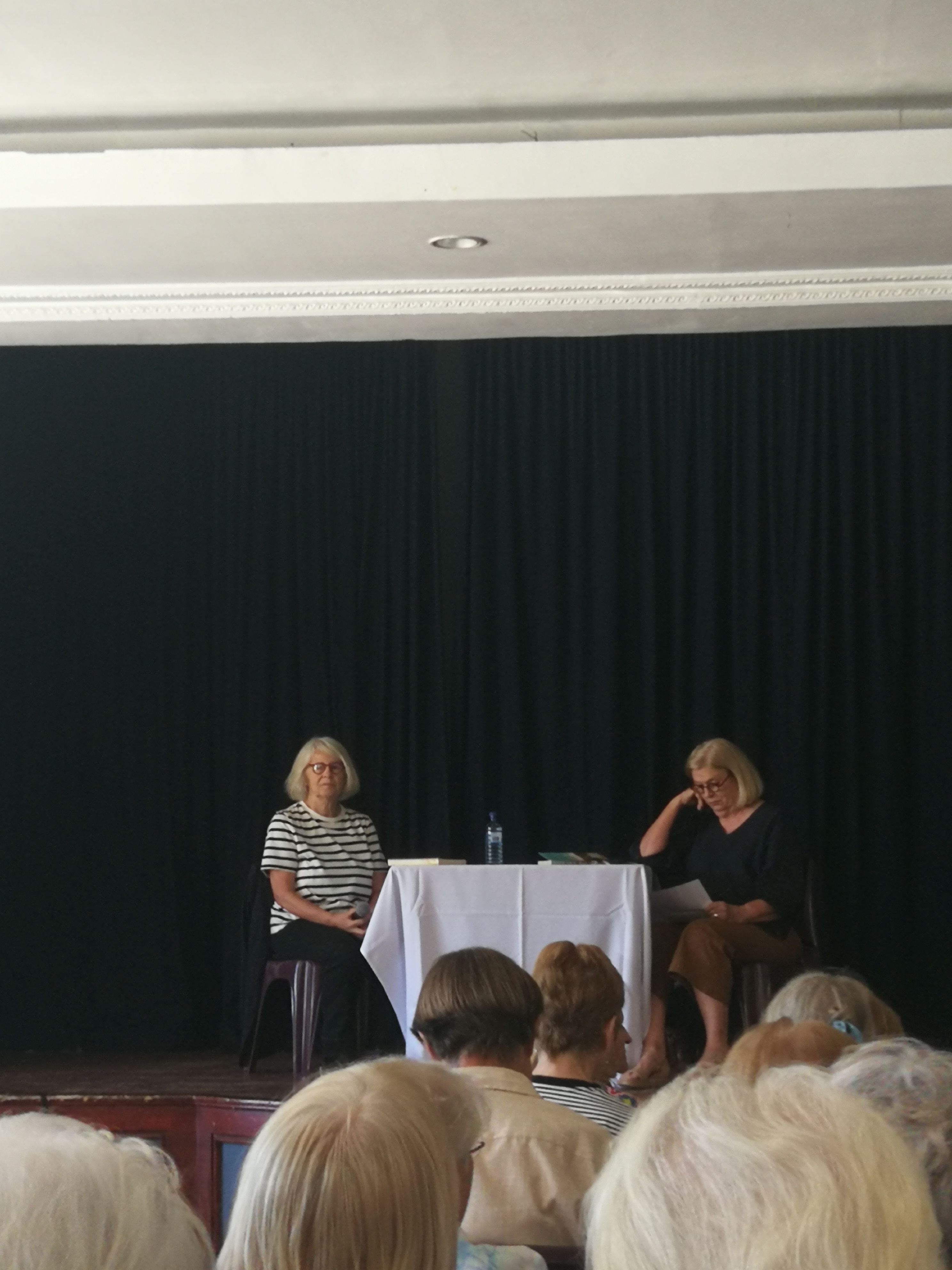
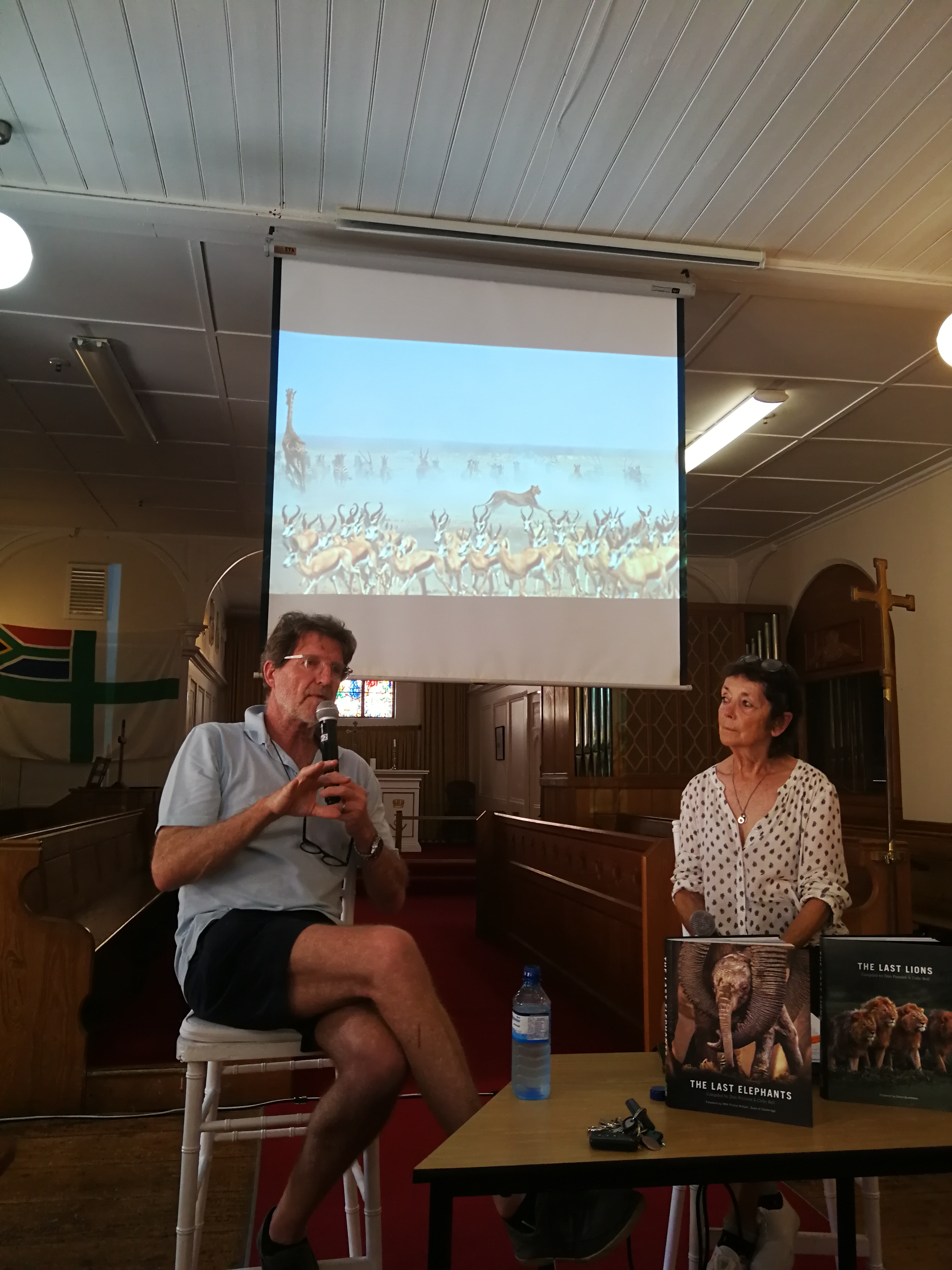
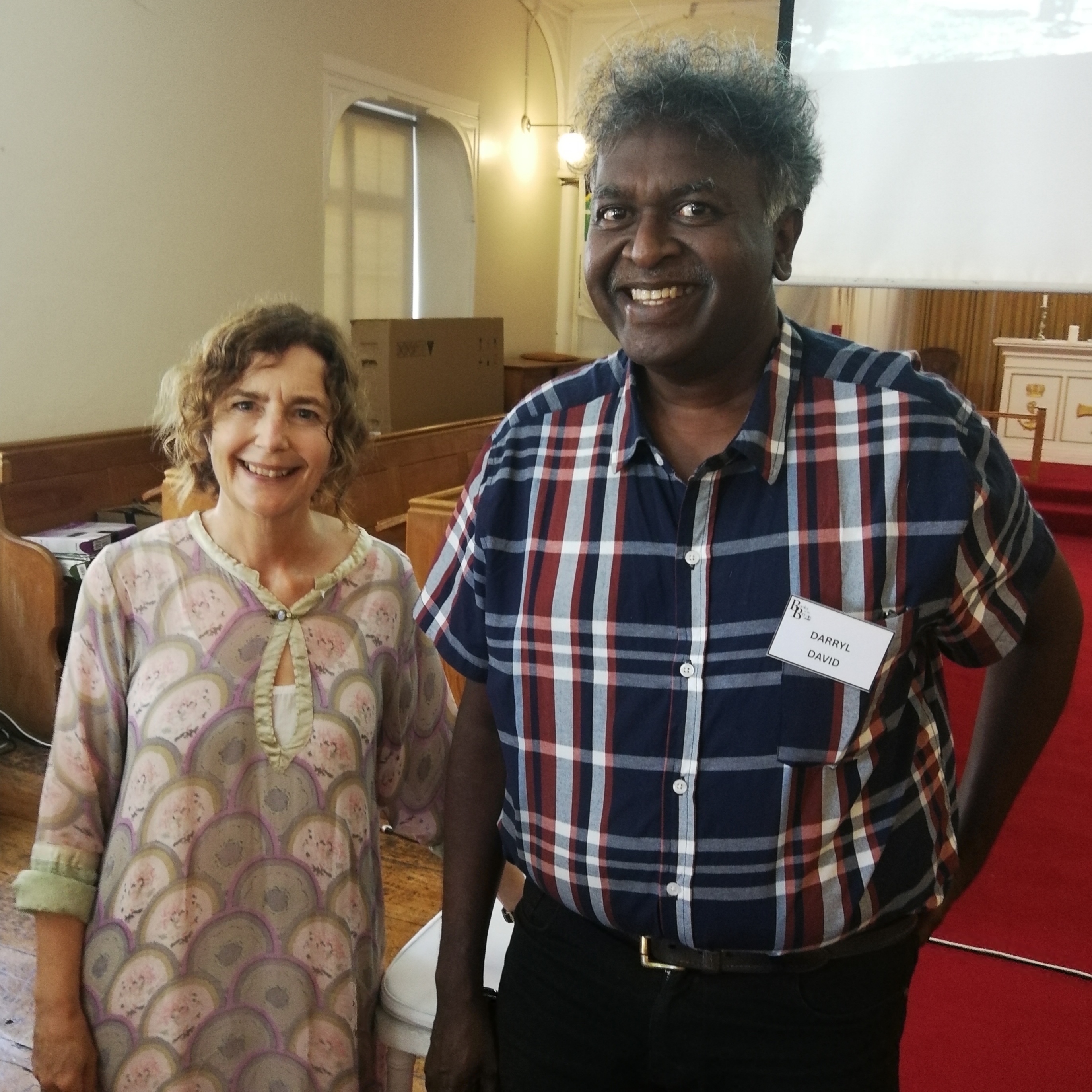
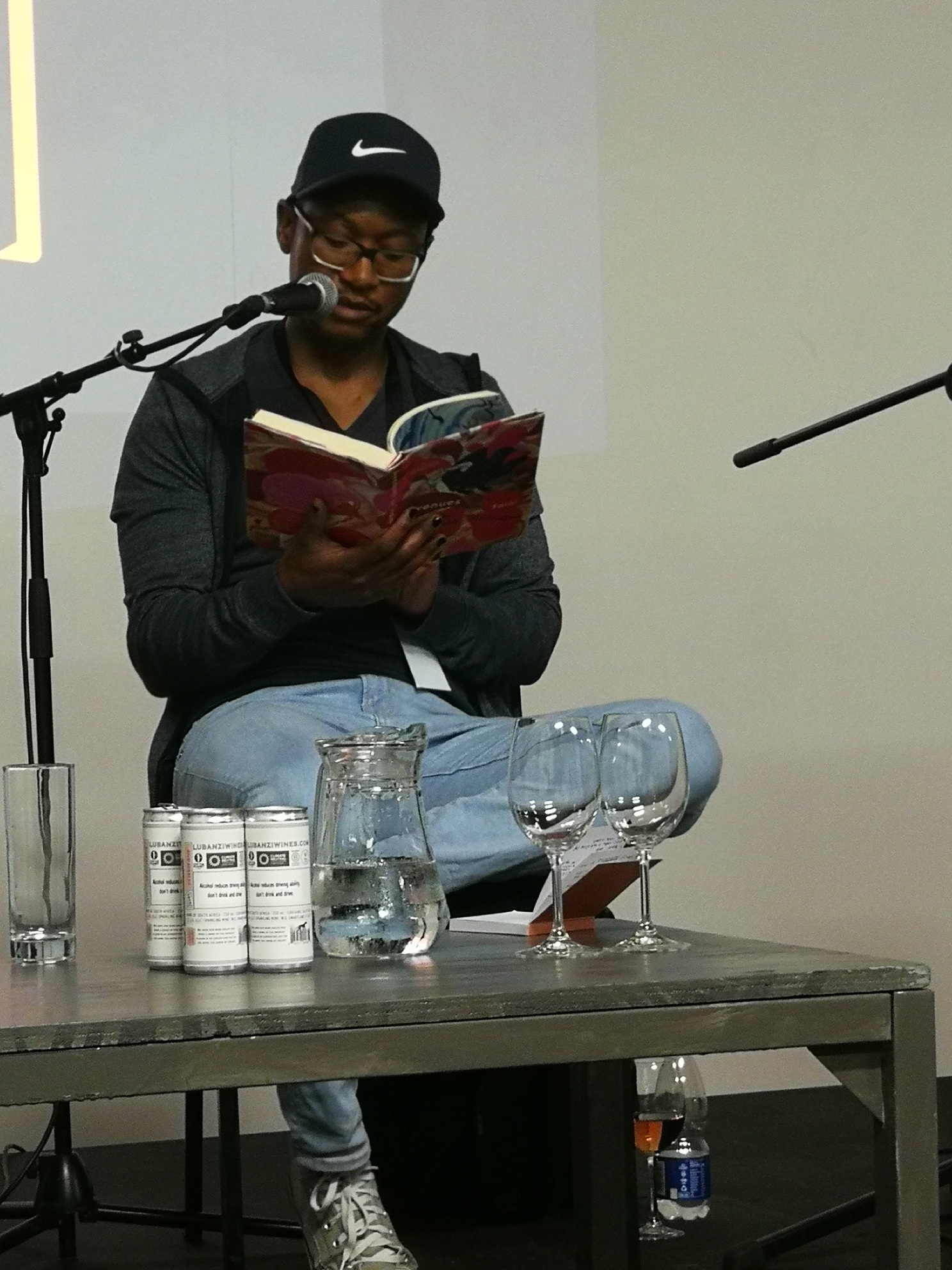
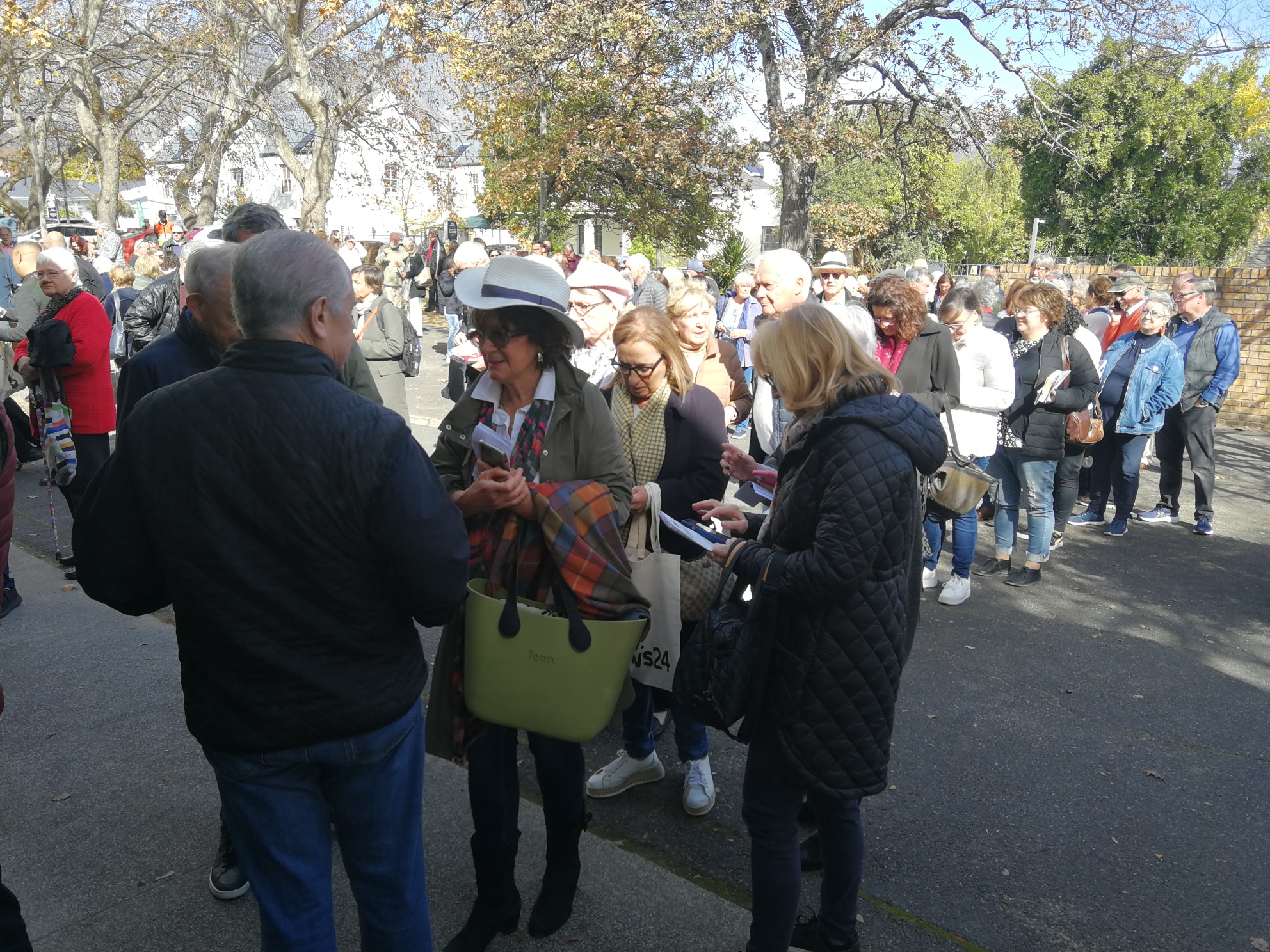
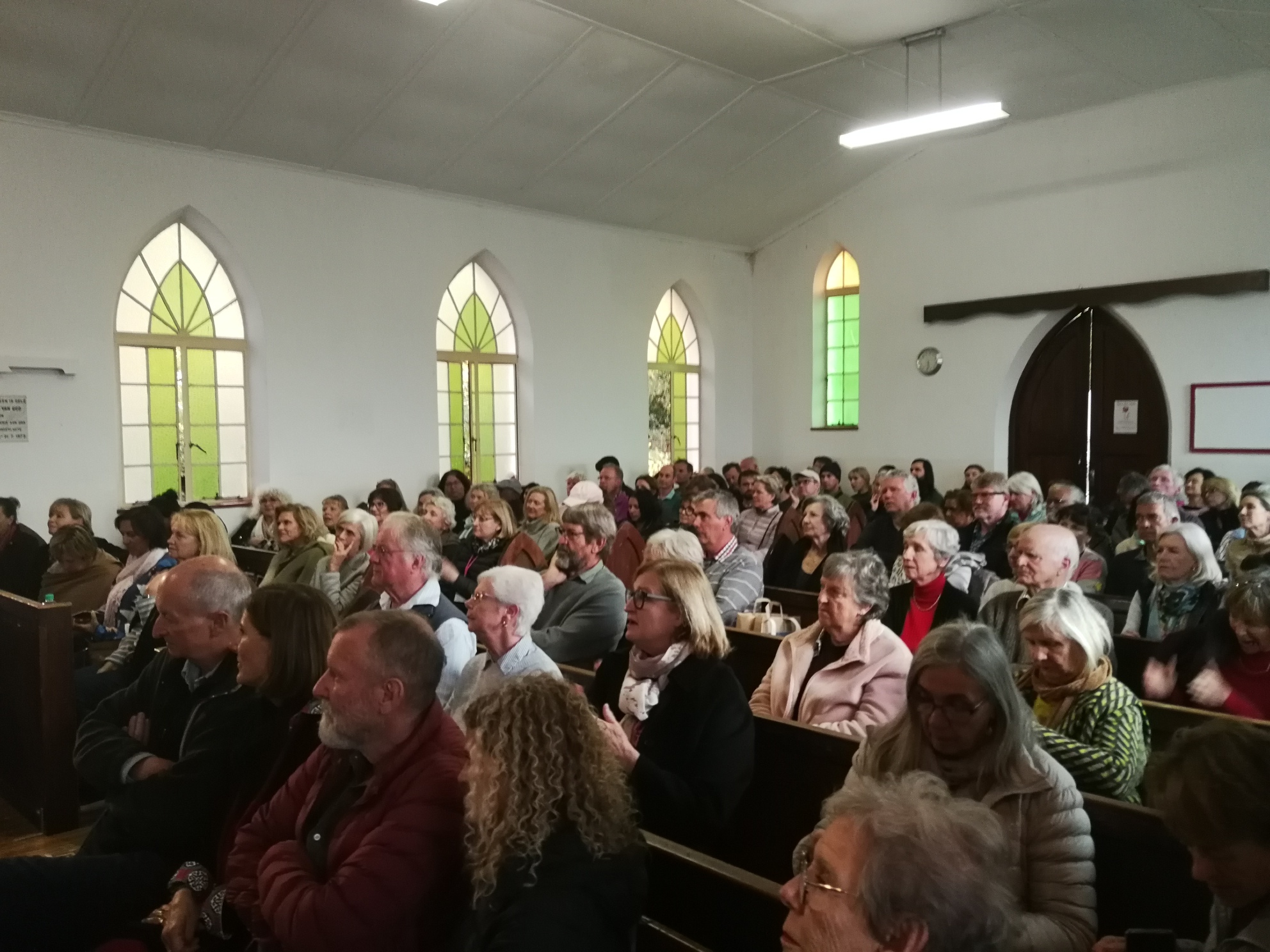
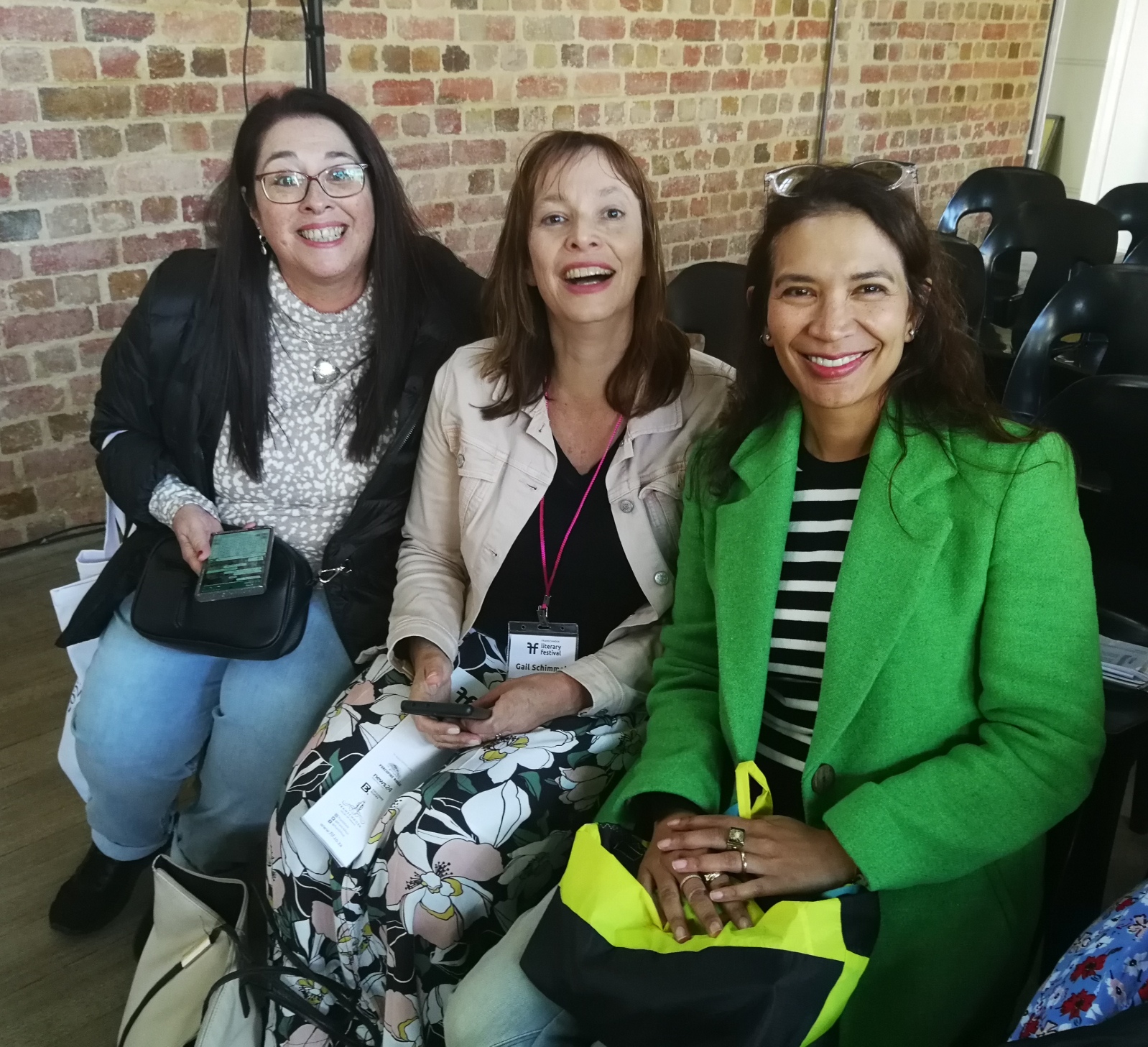
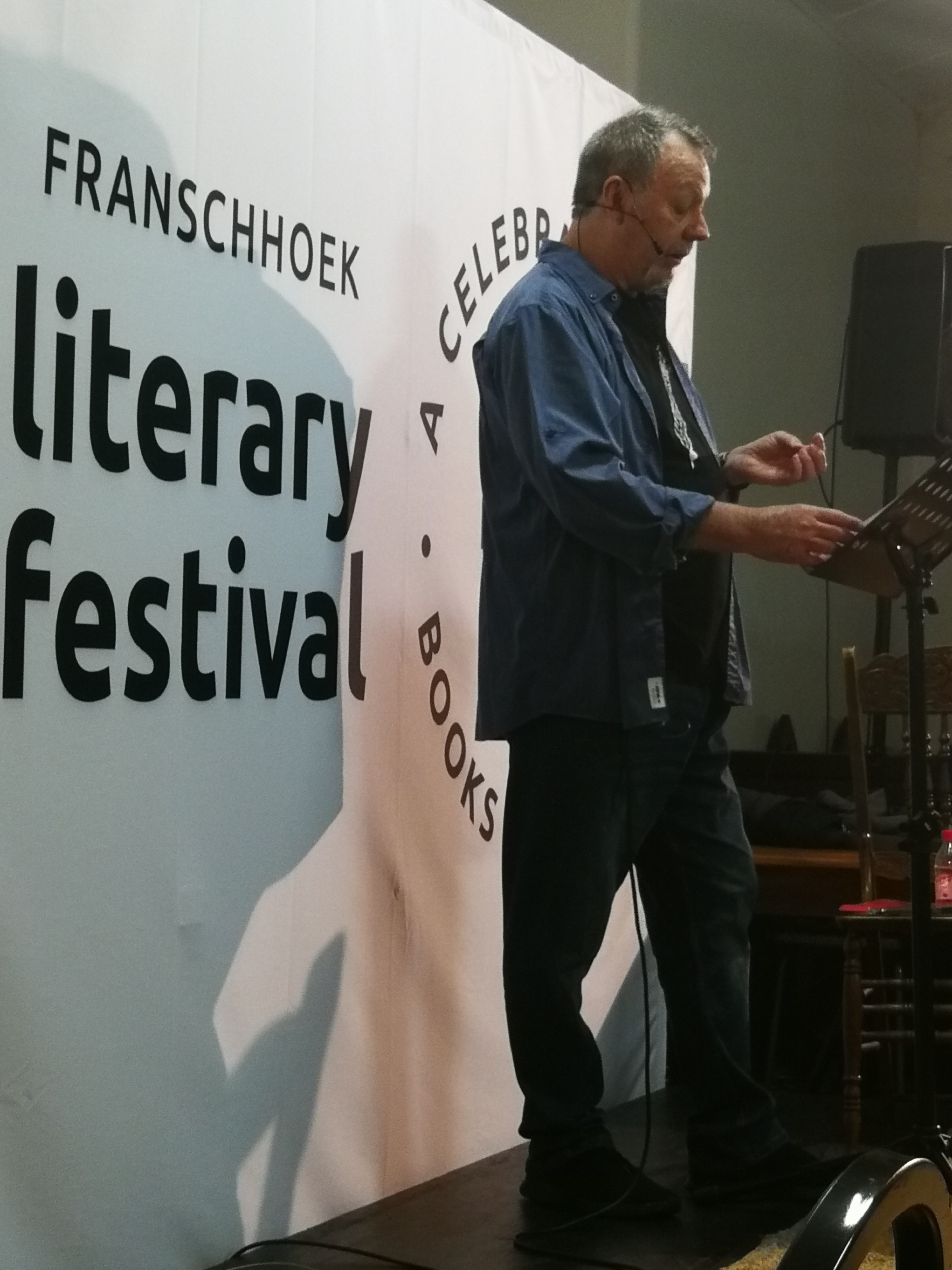
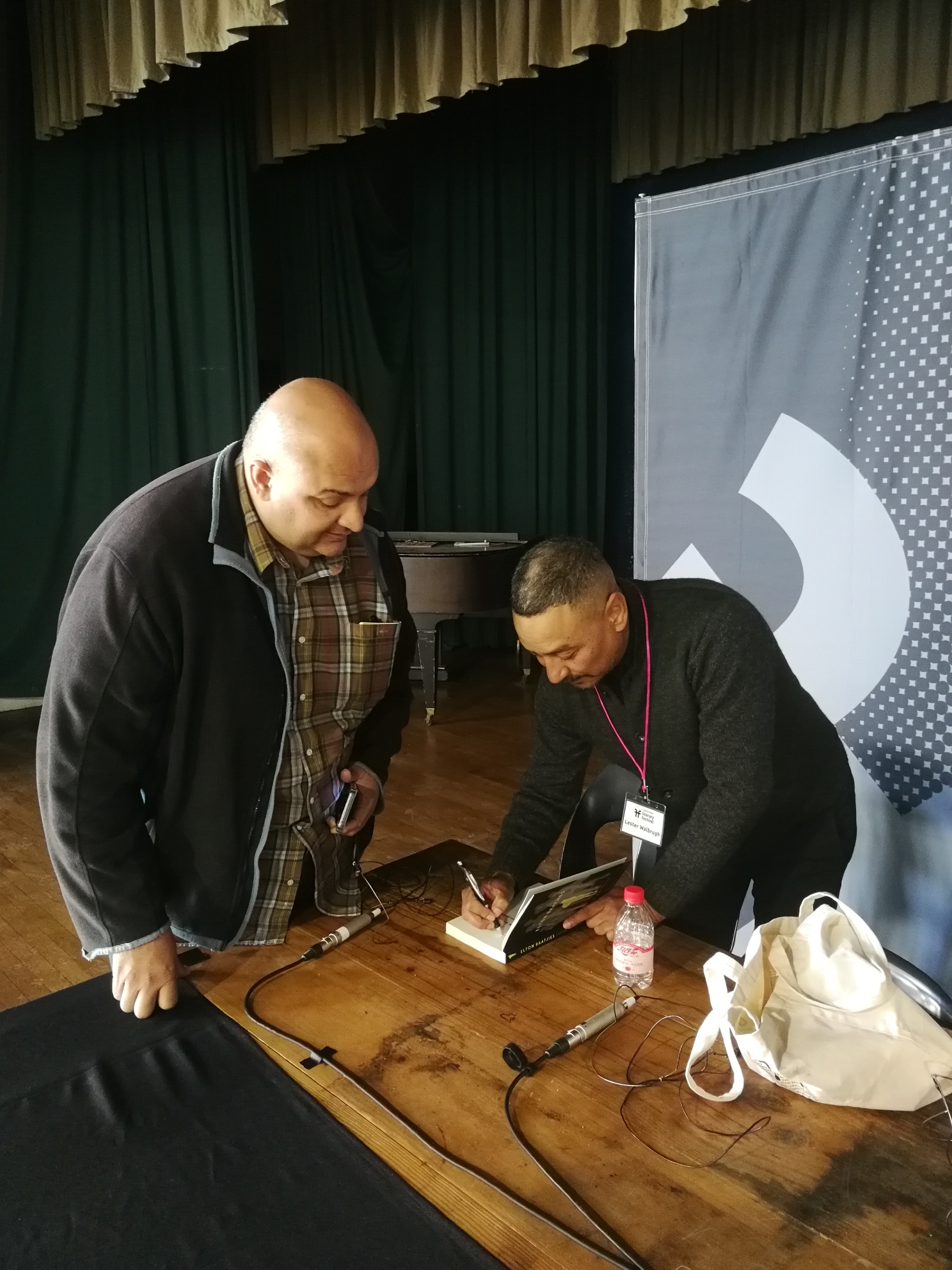
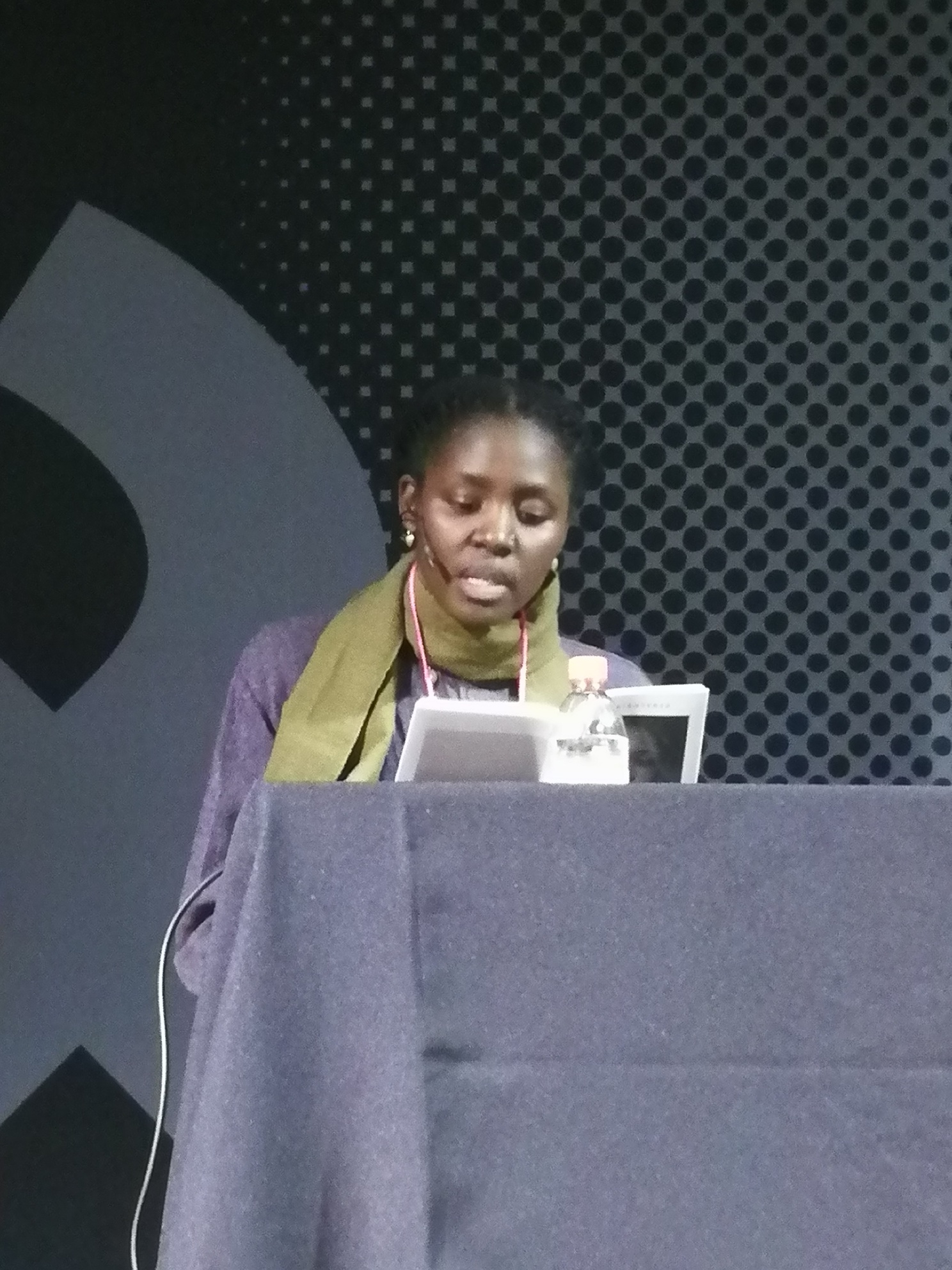
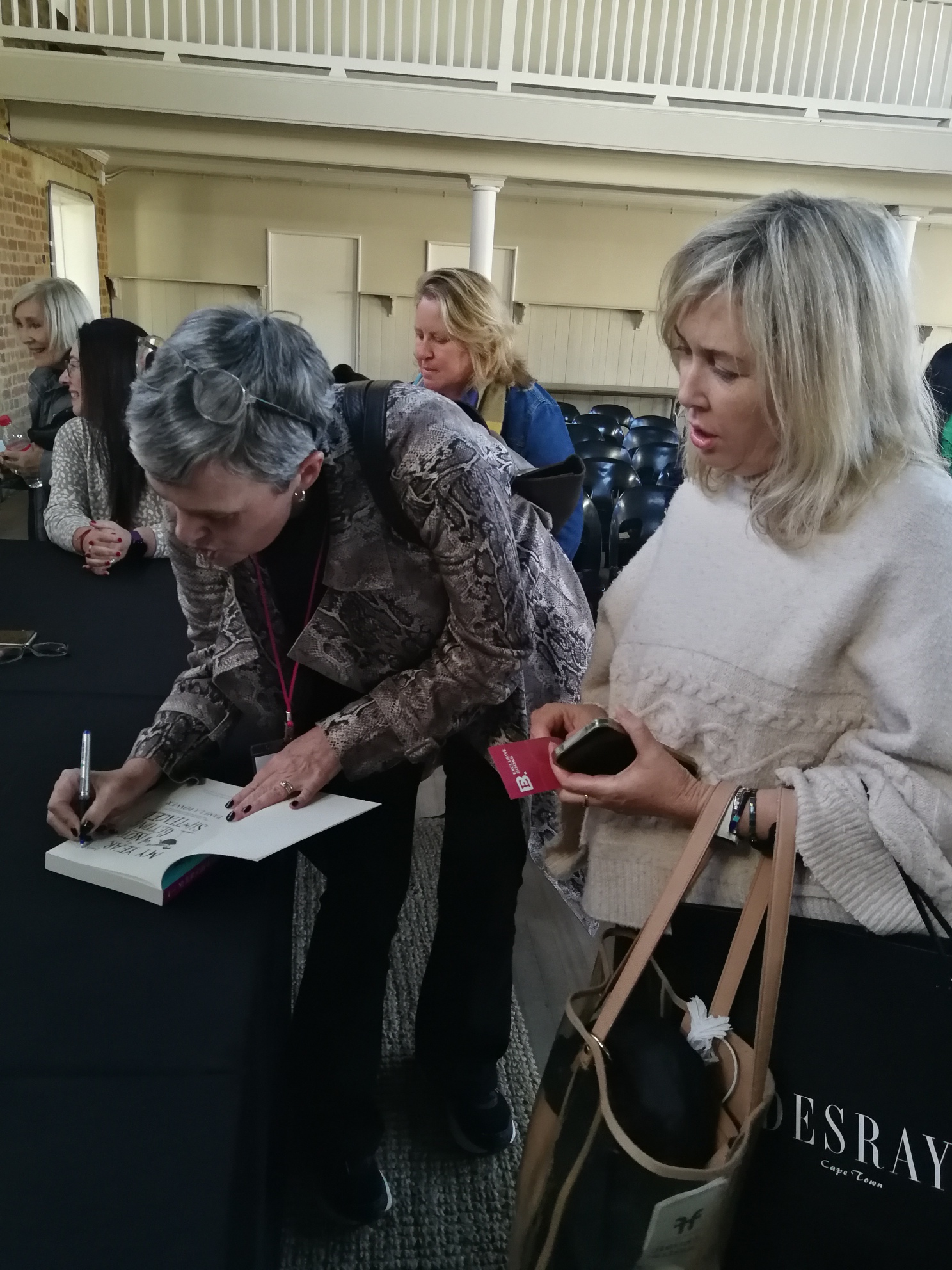
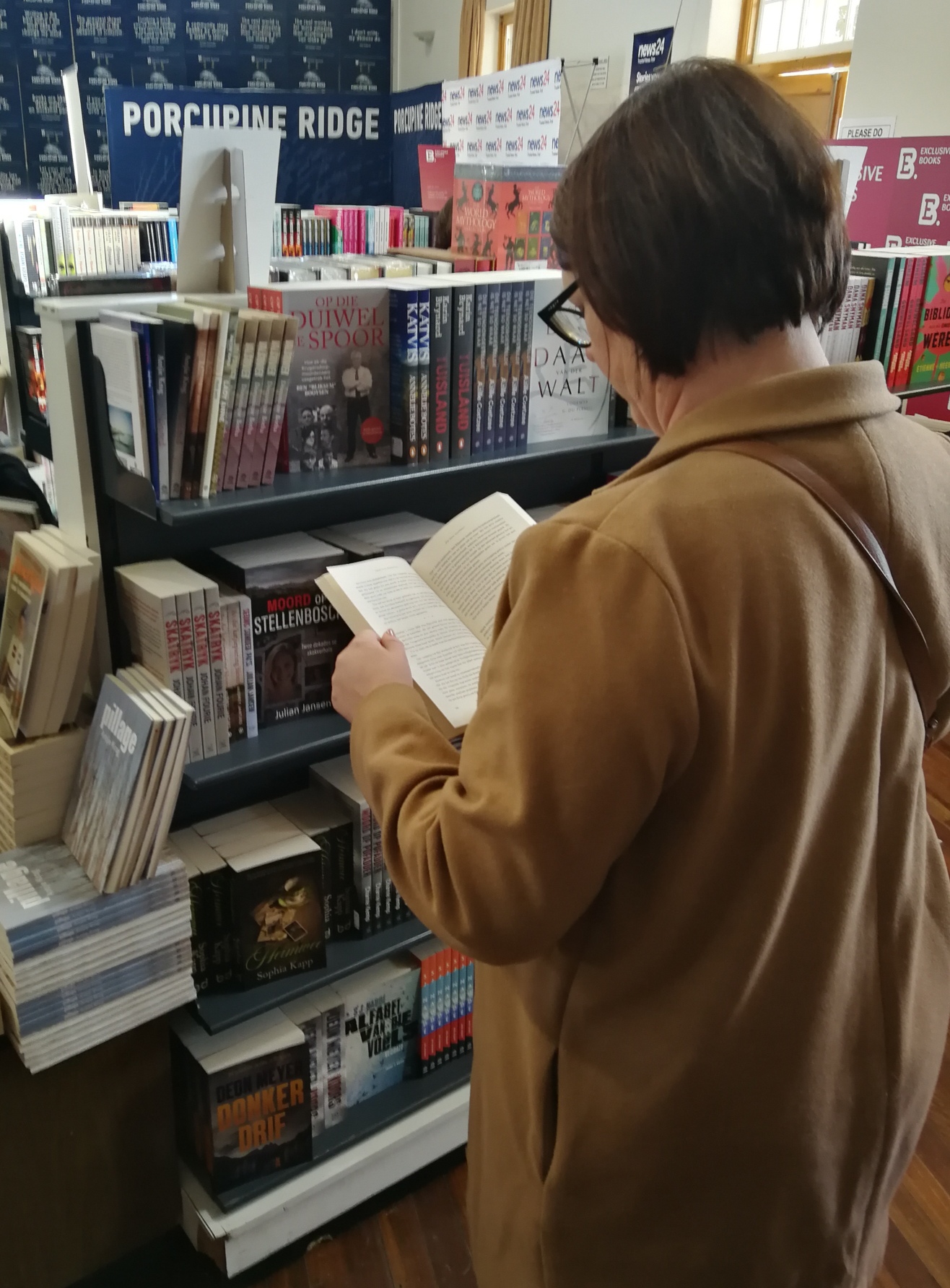
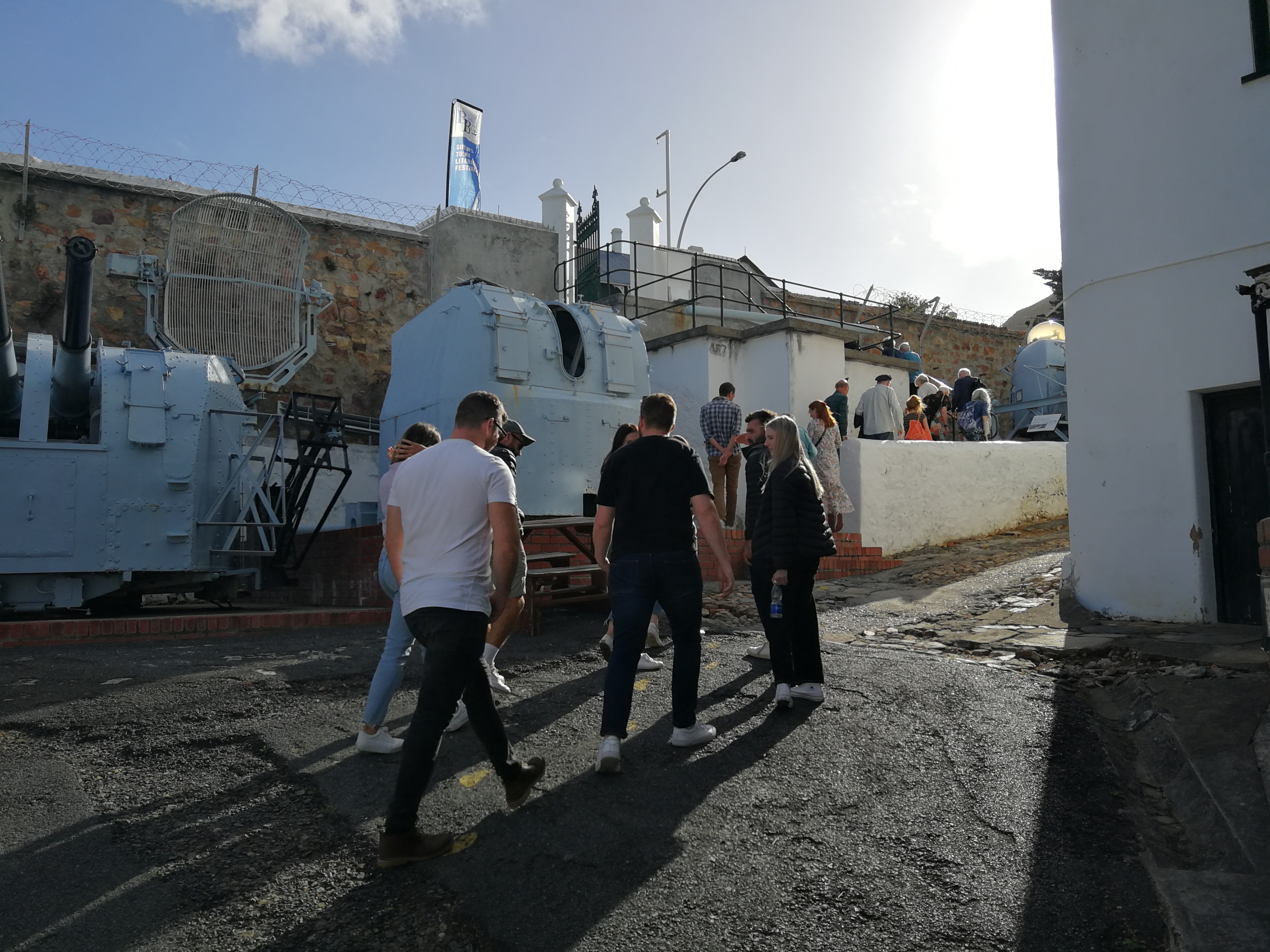
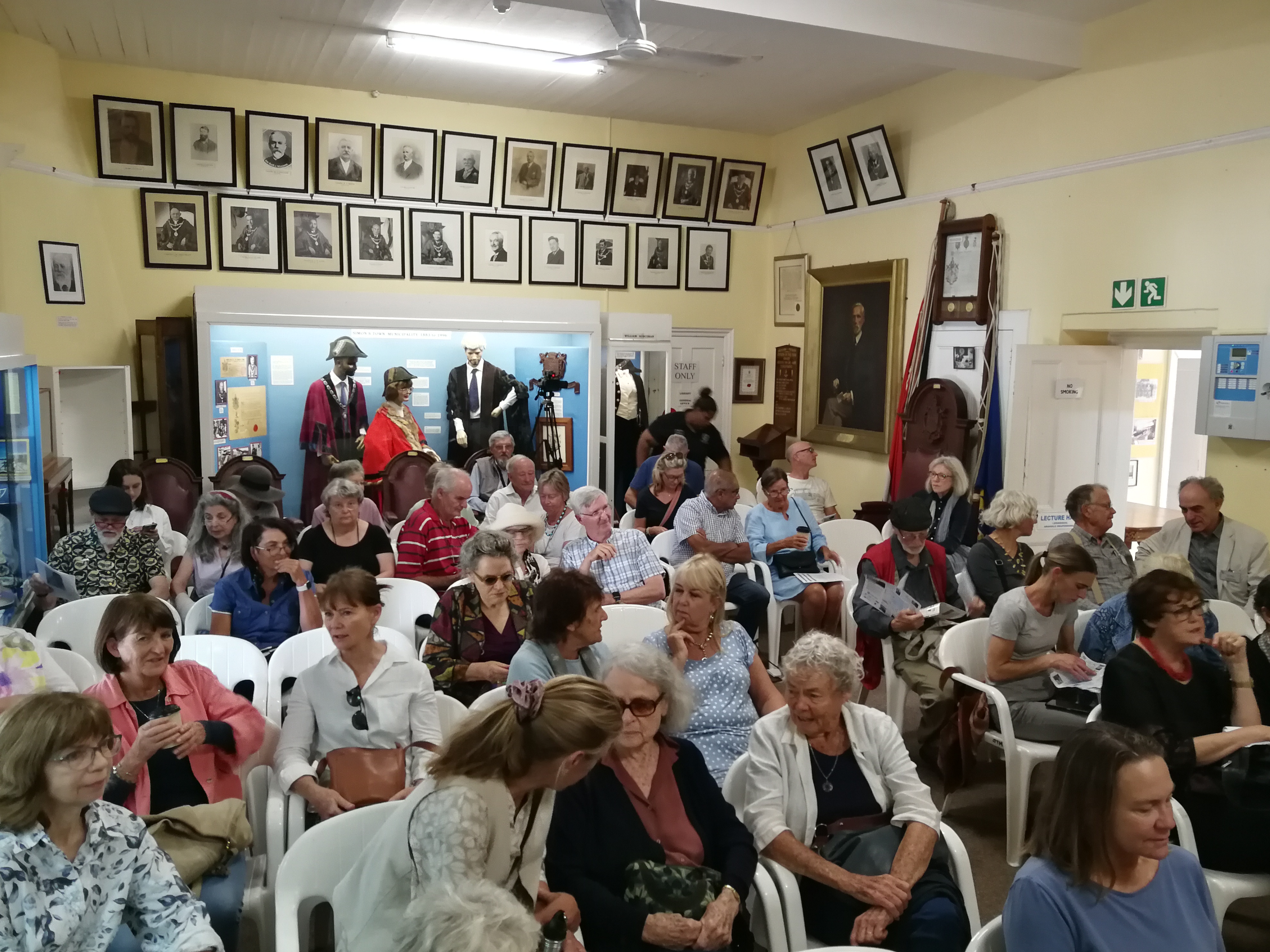
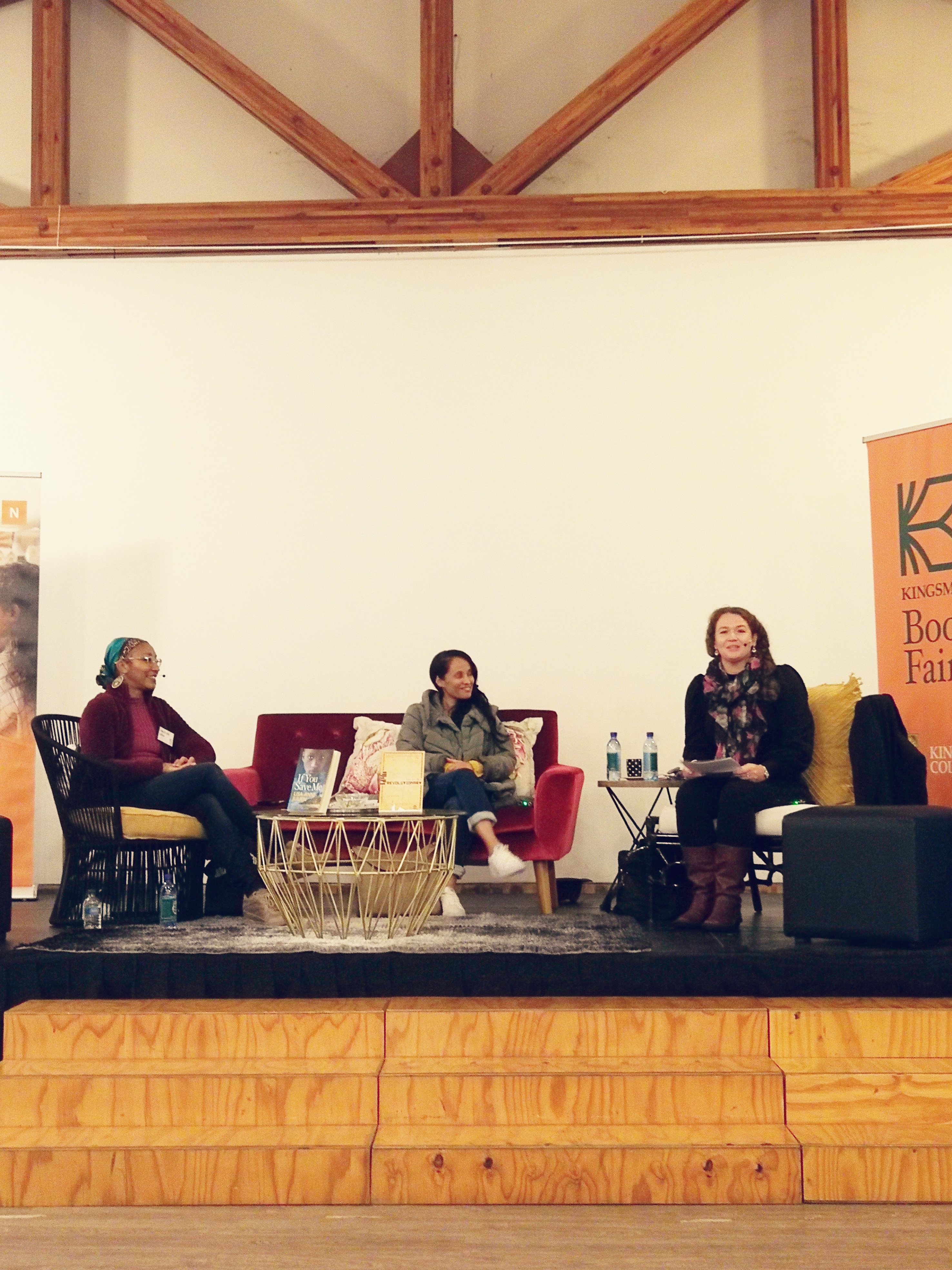
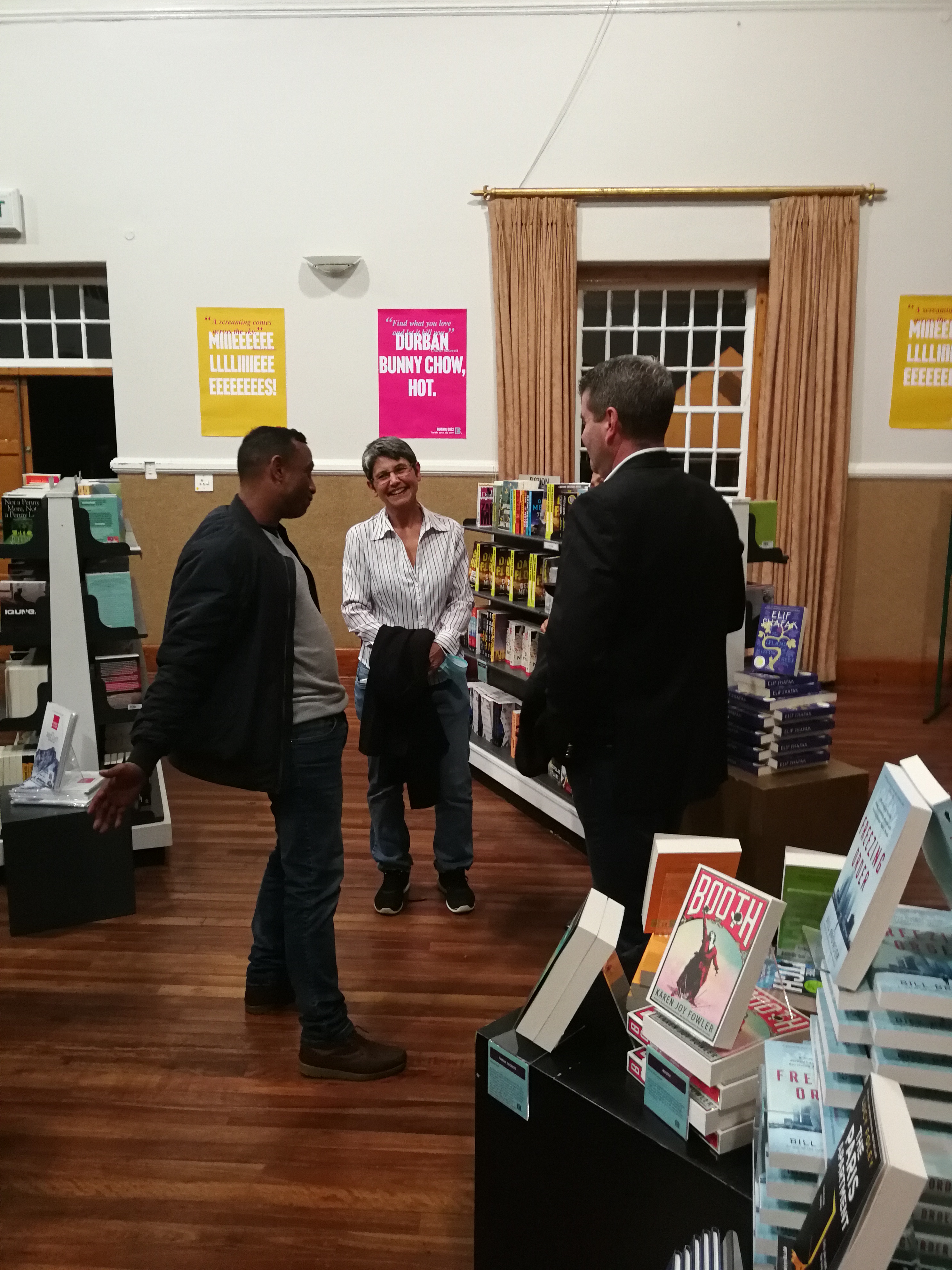
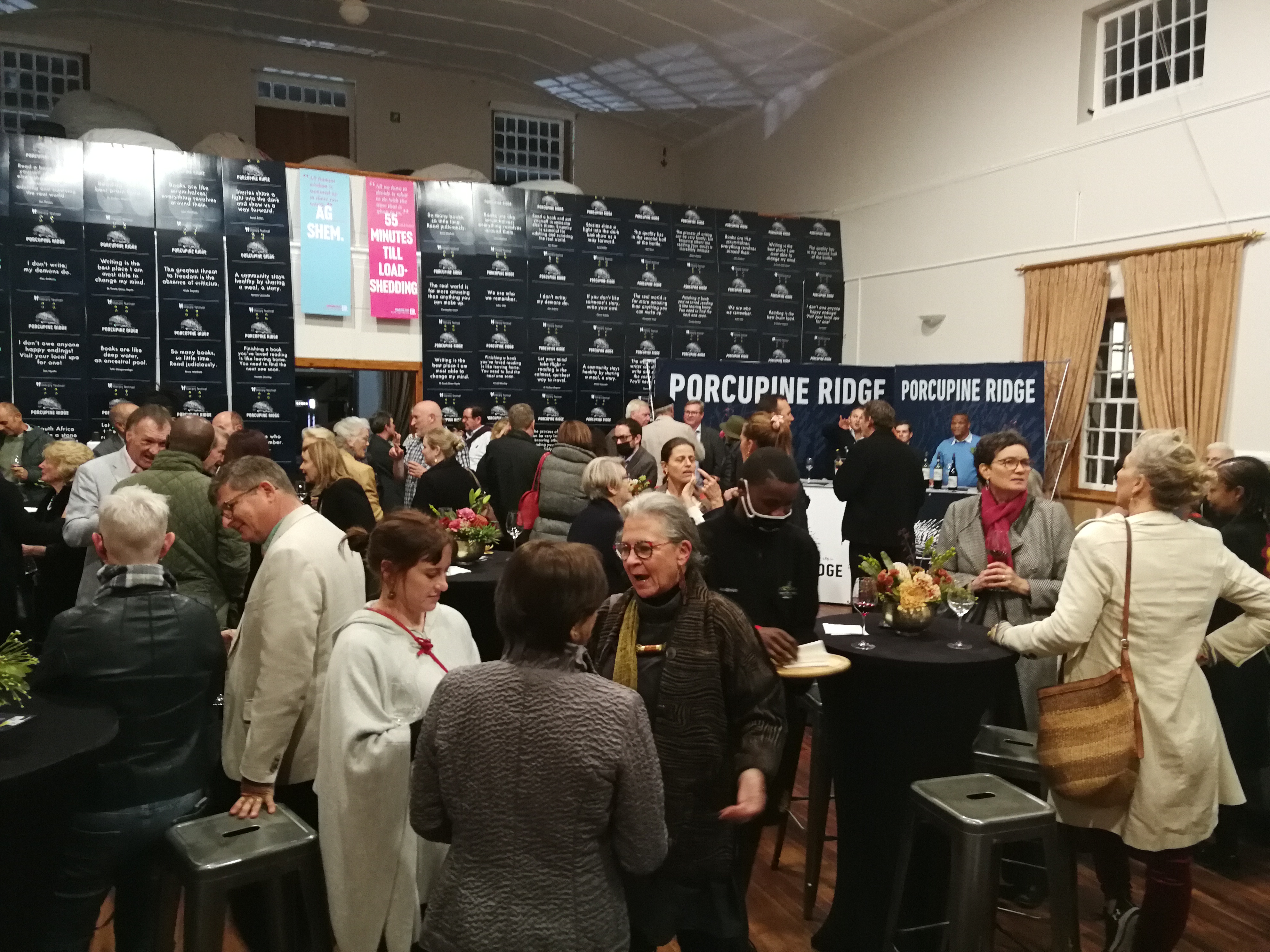
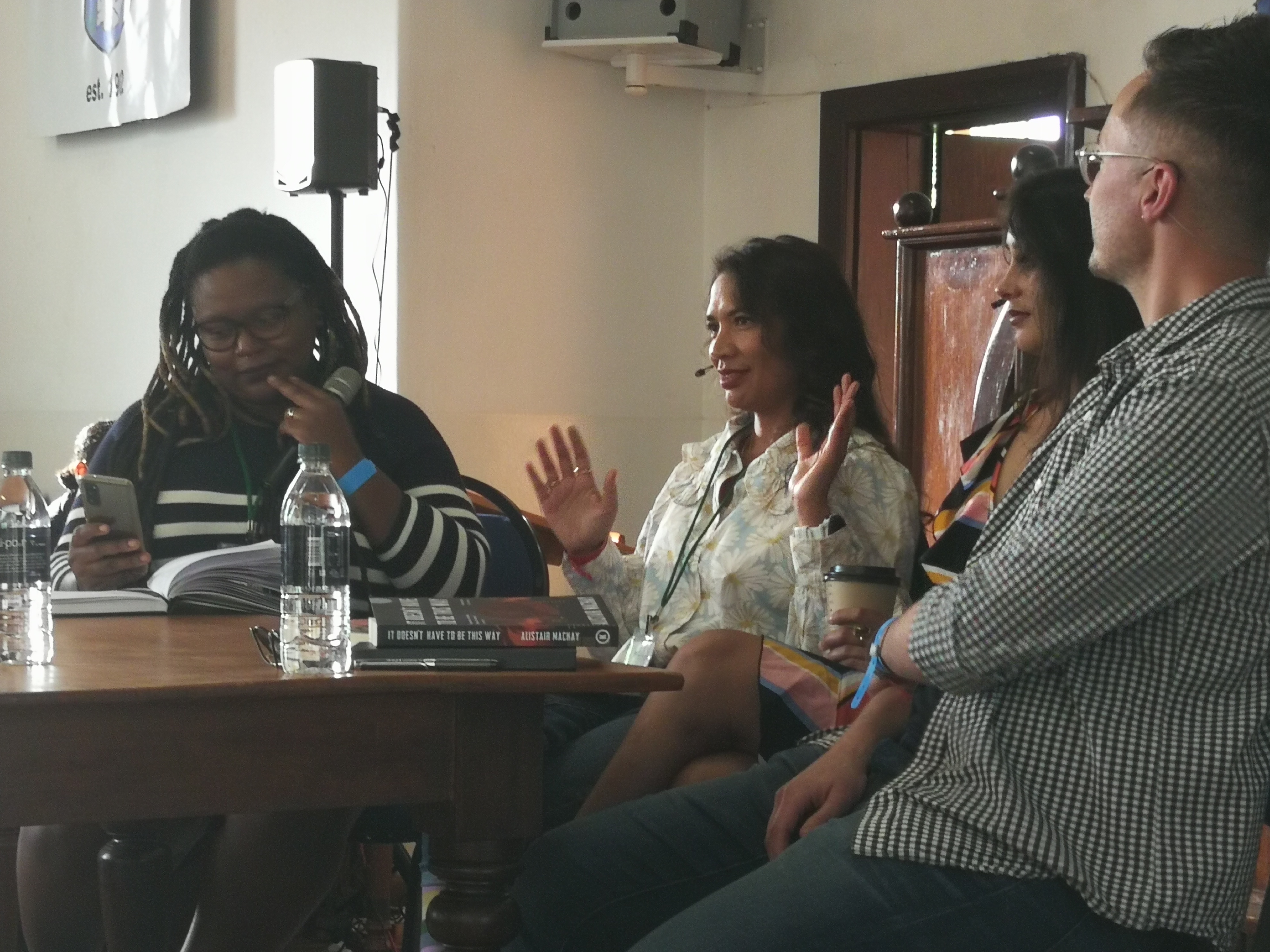
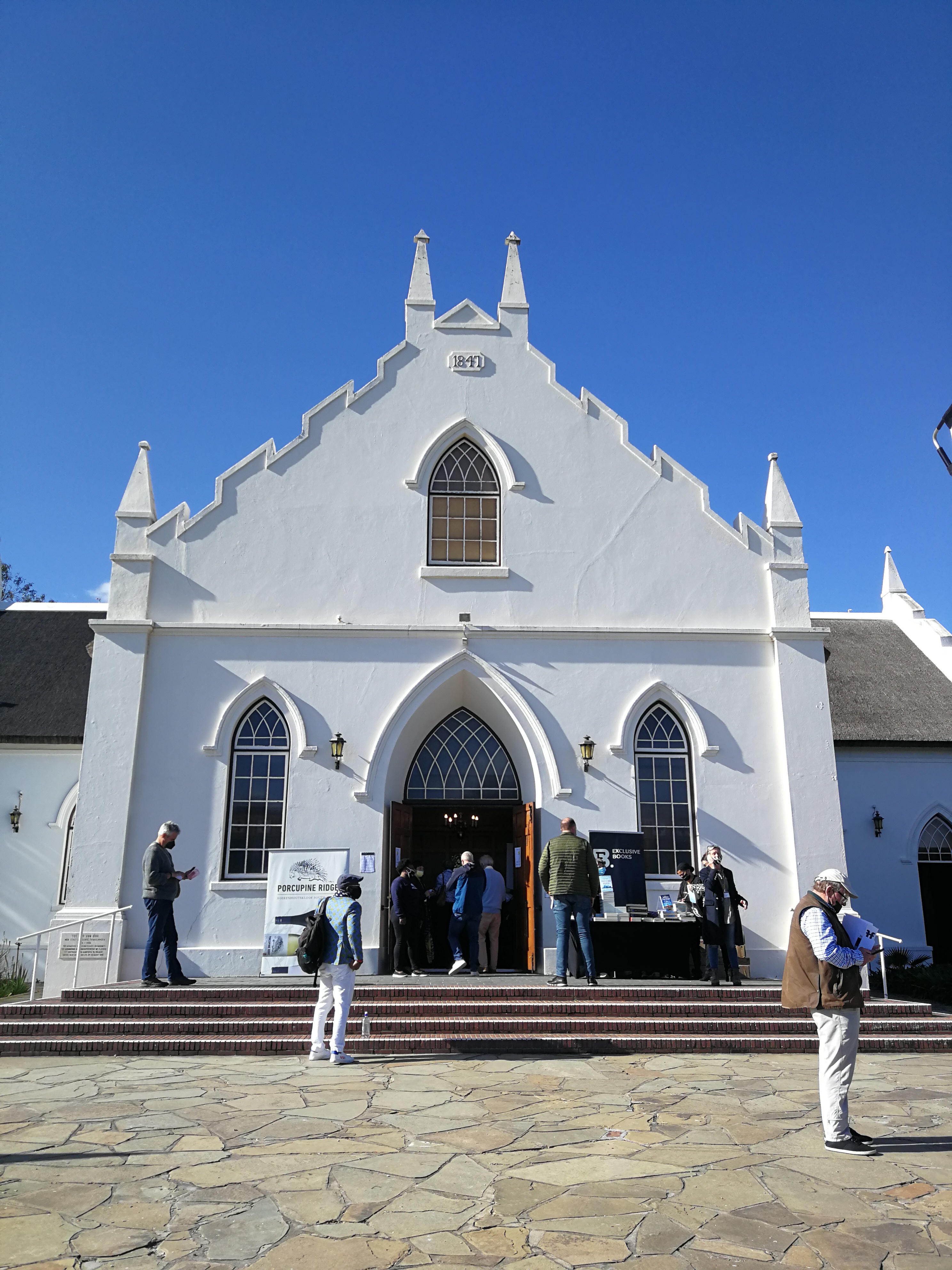
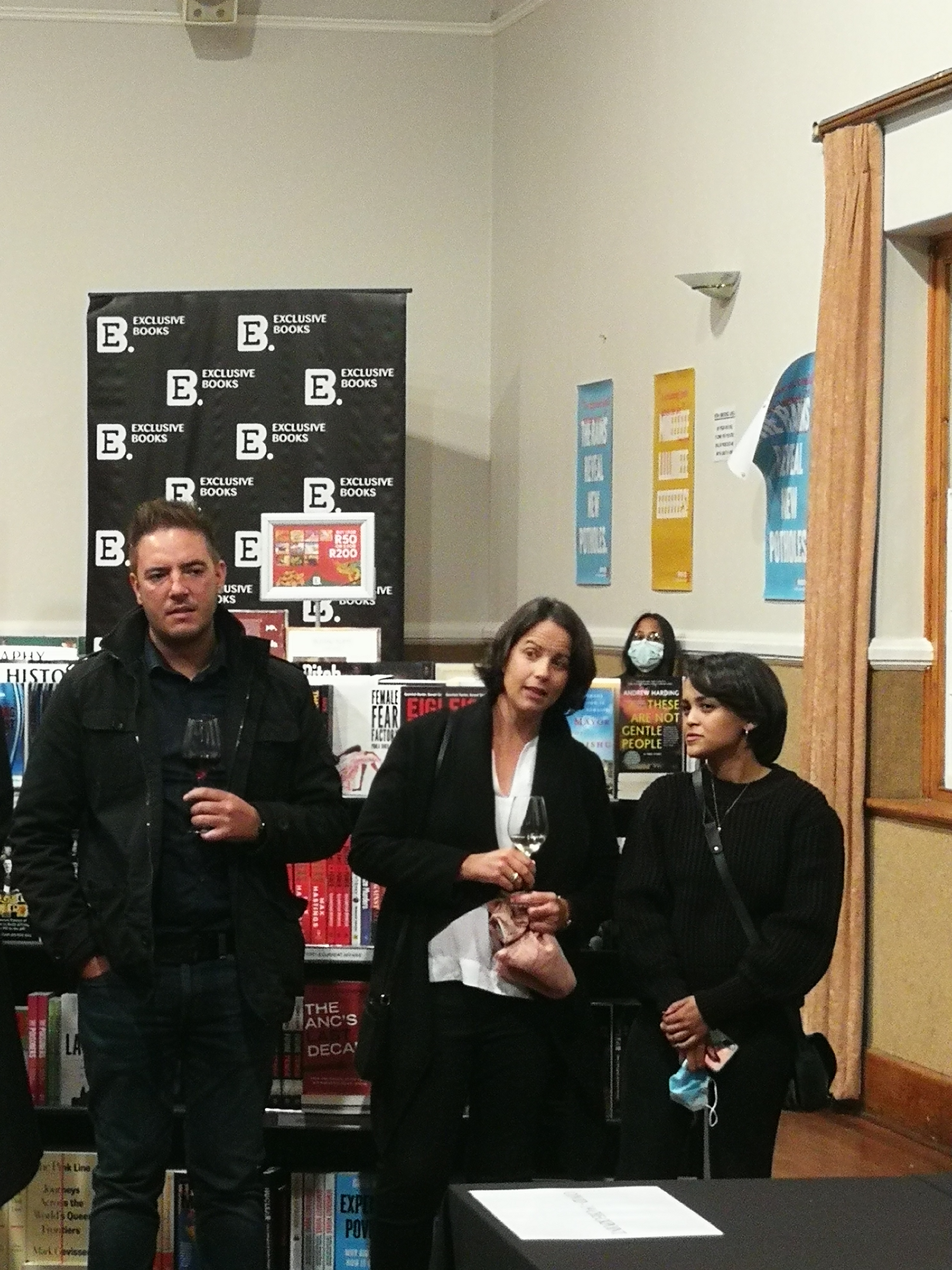
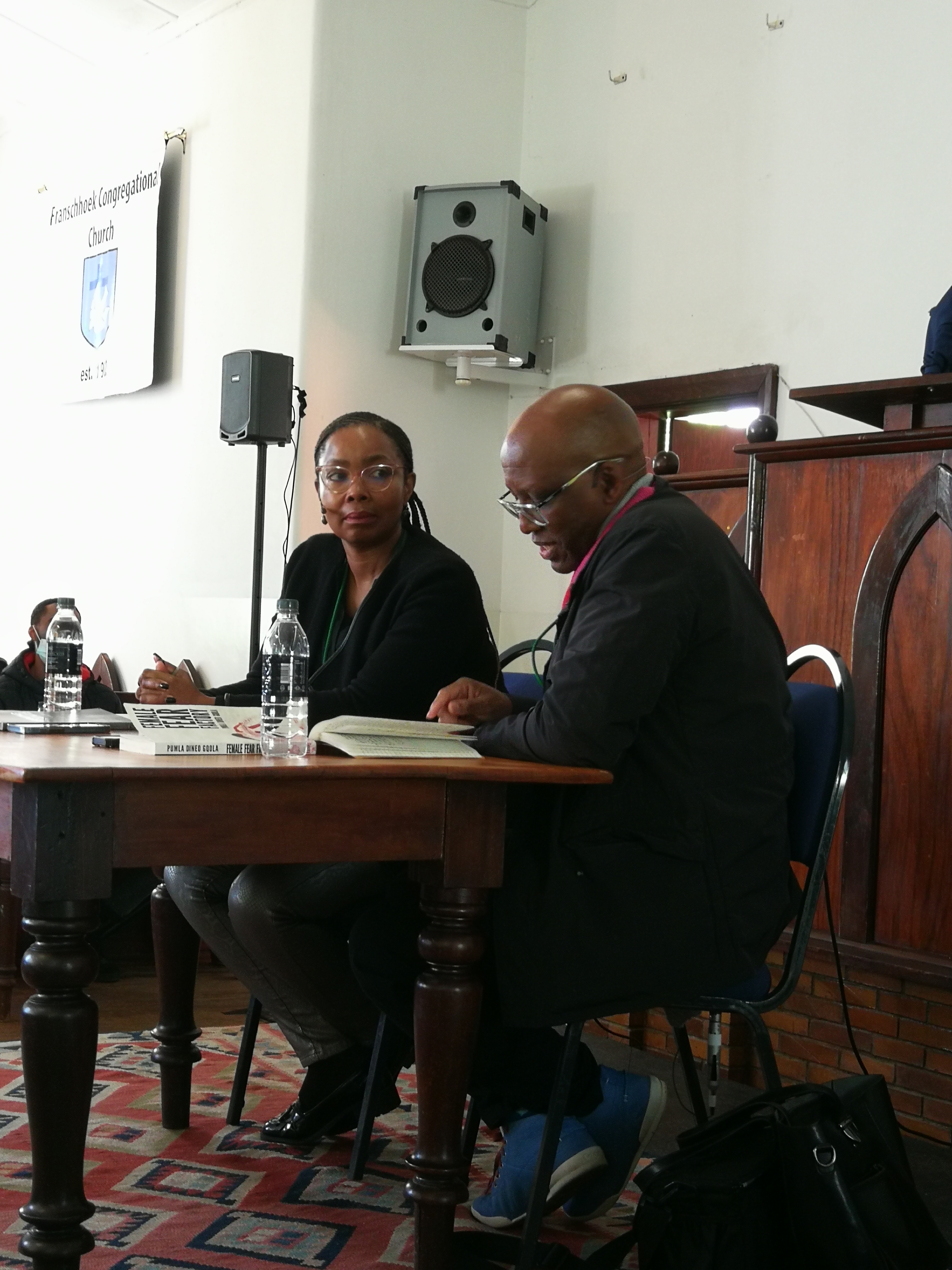
Books on the Bay took place between 13 and 15 March 2026 and hosted a myriad of amazing local and international literary stars. My festival began on Friday morning with an author whose writing has shaped and reshaped the Cape Peninsula – Finuala Dowling. Introducing her was one of the organisers of the festival, Darryl David. He said that Dowling not only is “one of the Far South’s most famous poets”, but should be declared as Poet Laureate in these parts of the world. Agreed!
…
Continue reading: LitNet














































 Karina Magdalena