Category Archives: Uncategorized

Operation Oysterhood: 14 October

OYSTERHOOD is reclusiveness or solitude, or an overwhelming desire to stay at home.

— @HaggardHawks

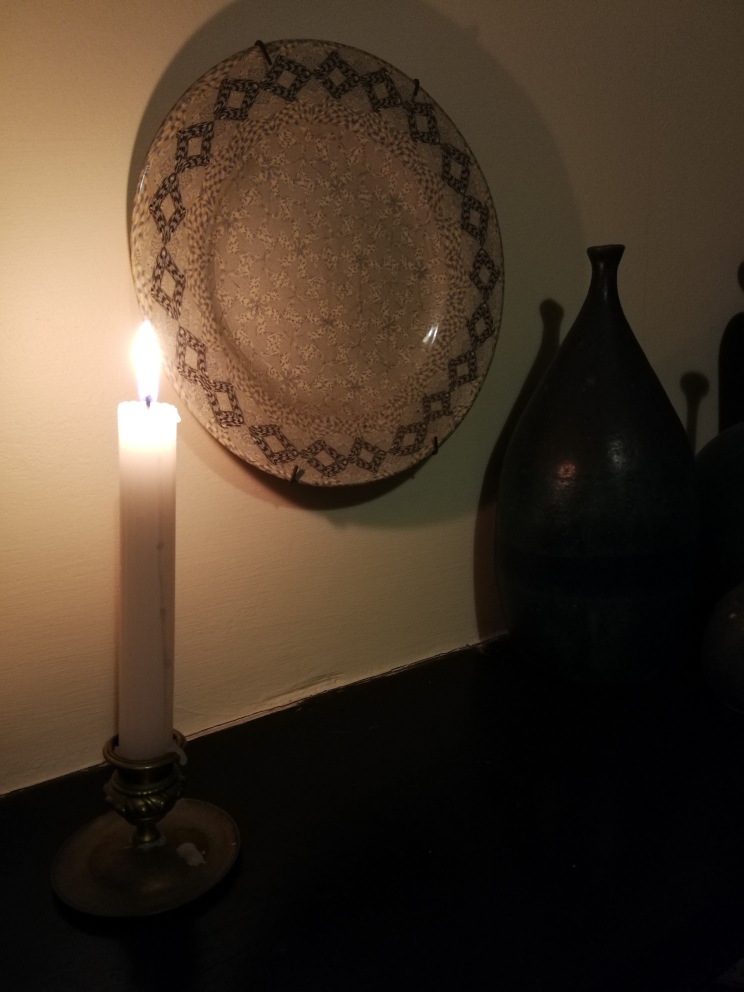
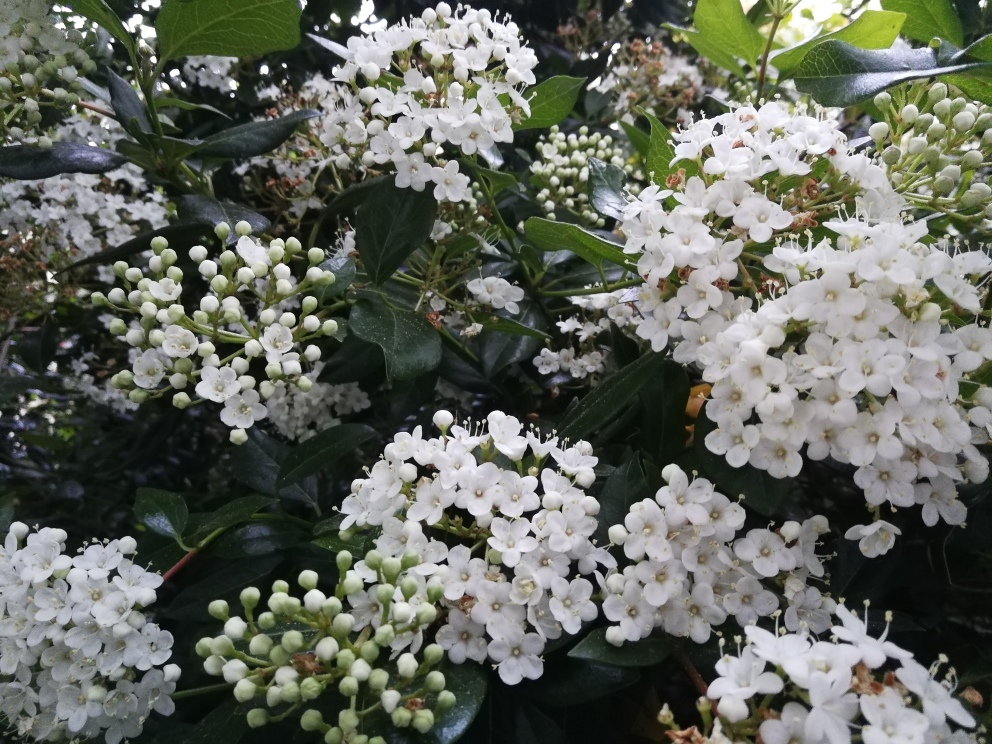
Beauty in my wild garden.

I slept. That is much more than I can say about the previous night (a complete nightmare). A day of work (again), but a bit quieter, framed by morning and evening visits with my love’s recovering cat, who is feeling better and better and allows me to administer fishy-smelling medication without much fuss while my love is busy working. When I returned home this evening, I sat on my own stoep with Mozart on my lap and we watched (I) / experienced (Mozart, who can’t see) the day settle into the evening.

Traffic is beginning to feel ‘normal’. I was stuck in it twice yesterday and today. Strange after all this time of just driving from one end of Cape Town to another without a care in the world about delays …

A friend who is a regular at my literary salons (suspended since April) called today and we made a joint decision to resurrect the salon. It will be an afternoon garden event with masks and social distancing and whatever else needed by all those willing to attend. Let’s talk books and drink wine together again! The mere idea of it makes me smile.

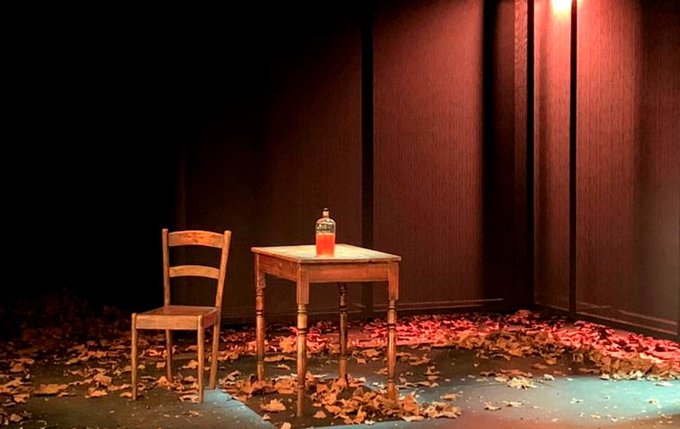
And last night, the Baxter opened its doors to audiences (yay!!!) with the first preview of The Outlaw Muckridge (written by Louis Viljoen, performed by John Maytham, and directed by Alan Committie). I am attending the premier on Friday and can’t wait!

“A pure act of theatre,” John called the play in a CapeTalk interview with Pippa Hudson.

Be kind. Wear a mask. Support local.

“Physical distancing remains one of the key strategies to curb this pandemic.”

— NICD
Operation Oysterhood: 13 October

OYSTERHOOD is reclusiveness or solitude, or an overwhelming desire to stay at home.

— @HaggardHawks

A day of grief. One of my dearest friends suffered a terrible, unexpected loss. It is difficult to imagine. Yesterday in the afternoon, we still corresponded about other challenges that life throws at one, and then in the evening the tragic news of a different kind arrived. Everything seems so fragile right now. There is all this loss everywhere. And helplessness. And so little hope …

Be kind. Please.

“Physical distancing remains one of the key strategies to curb this pandemic.”

— NICD

Operation Oysterhood: 12 October

OYSTERHOOD is reclusiveness or solitude, or an overwhelming desire to stay at home.

— @HaggardHawks

I have lost count (somewhere along the lockdown). And my marbles (somewhere along the day).

They say that today is the two hundredth day of lockdown. They are probably right.

Monday. One of those days … At some stage, it had me eating peanut butter out of the jar with a table spoon. At another, sitting in desperation under a lamppost outside my house, waiting for Godot. I did not cry, but I was on the verge of tears for most of today.

I will blame it on the hormones. And bad luck.

I woke up just after four full of anxieties and couldn’t get back to sleep.

Topolino had to go in for his annual service. In order to meet the commitments of the day, I borrowed a car. An old car. With a tired battery. It died on me right in the middle of it all. The main reason I needed a car during the day, a professional meeting, was cancelled because of Covid-19 exposure, but I was informed about the cancellation only after I’d sat around a coffee shop for half an hour, hoping that the person would show up (those kind of messages never get to you on time, not on a day like today). I had to take a deep breath and reshuffle the busy schedule.

Picking up proofs printouts from my local printer, I encountered my postman (despite everything, one of two highlights of the day). By then, I had already seen the postcard he’d dropped into my postbox (with a picture of a cow on an Austrian Alm – from my brother, sent in June!) and thanked him for it. We spoke a bit about the post office and both despaired a little bit, but it was just so nice to talk to him.

The professionals I phoned to help me with the dead car battery let me down. When I finally got Topolino back, I tried to revive the battery myself, but Topolino is small, with a small battery, and we just couldn’t manage on our own. Eventually, my Lovely Neighbours came to the rescue, with their powerful car that got the dead one at least into my garage. I don’t know what I would do without these amazing people living next door. I just adore them – the perfect neighbours!

But they have had some sad news, and thinking about it is not easy. These are crazy times. And many of us are vulnerable in ways that are difficult to articulate.

There was more sad news from another dear friend. She is hardly coping with the situation that life has dished up for her. And there isn’t much I can do to help, but I will try to visit her during the weekend. We will go for a walk.

In all of this strange chaos, I bumped into a woman I met a few times a long time ago. She said that she’d read The Fifth Mrs Brink during a very difficult time in her life and the book made her think of love and what she wanted for herself in her life. Reading the book was like a catalyst for change. She is now in a new relationship and a completely different space in her life and she said that my book played a role in the transition. That’s the power of books. And it makes me tear up (in a good way) to think that something I wrote had such a positive impact on a near-stranger. Literature works in mysterious ways.

I am monstrual, beyond tired, and all I want is a bath, my next Bosch novel and a glass of pink wine. I will have to search my empty fridge for proper food, because one can’t live on peanut butter alone.

Be kind. Wear a mask. Support local.

“Physical distancing remains one of the key strategies to curb this pandemic.”

— NICD

Operation Oysterhood: Emperor of Clay Rafael Nadal XIII

OYSTERHOOD is reclusiveness or solitude, or an overwhelming desire to stay at home.

— @HaggardHawks

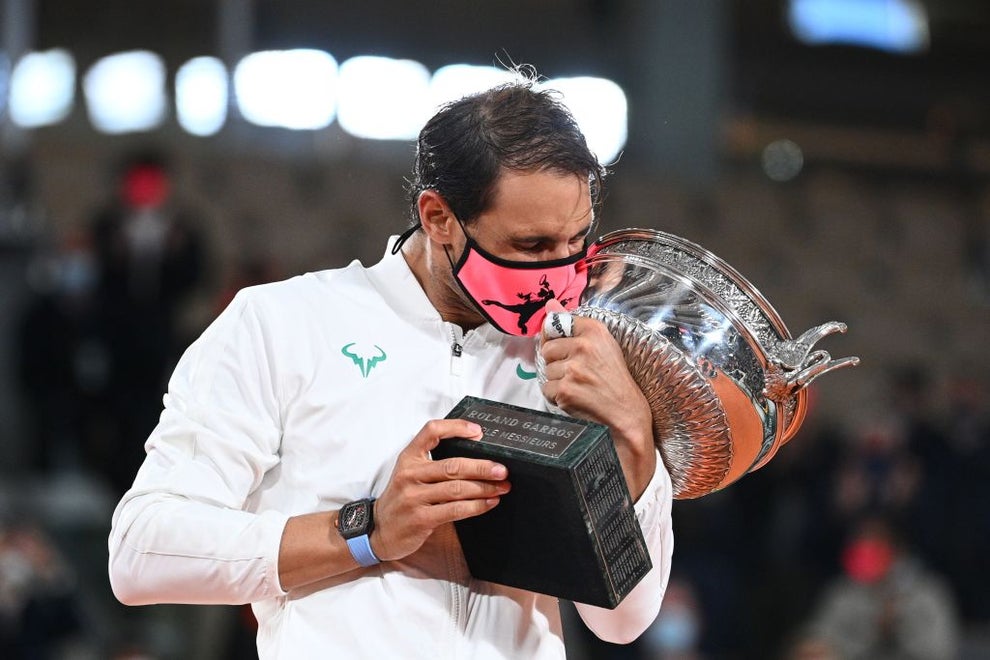
Rafael Nadal wins his thirteenth Roland Garros title, his twentieth grand slam title!

“My everyday professional battles might seem insignificant in comparison but they are no less real. Watching tennis in such moments gives me strength to face my own weaknesses. And it was Nadal’s on-court magic that lured me to the sport. When he was out with injuries in 2009, 2012 and 2015, I continued watching and cheering, but something was missing. A healthy and competing Nadal at the top of his game makes my own work easier and more worthwhile. True greatness has the power to inspire beyond its own discipline.”

The Fifth Mrs Brink, p. 109.

We have been in lockdown for TWO HUNDRED days!

Be kind. Wear a mask. Support local.

“Physical distancing remains one of the key strategies to curb this pandemic.”

— NICD

Operation Oysterhood: 10 October

OYSTERHOOD is reclusiveness or solitude, or an overwhelming desire to stay at home.

— @HaggardHawks

Not the best of nights, but I have been sleeping with Mama TV for soothing background noise for quite a while now again, so I just allowed the TV to do its magic again and return me to the land of dreams when I woke up suddenly in the early morning hours.

The day began with Cats and Harry, and it will end with them, all waiting in bed already. From ten to five, I worked on a manuscript with an author. We just had a brief break for lunch. Then dinner with my love and some catching up with our lives. This is a crazy time for us both, and even though we manage to see each other every day, it is never for long. We need to last in this state for two more weeks, and then this intense period of work will be over and life will go back to a more relaxed pace. (I hope.)

Sweet dreams, Everyone!

Be kind. Wear a mask. Support local.

“Physical distancing remains one of the key strategies to curb this pandemic.”

— NICD
Operation Oysterhood: 26 July

OYSTERHOOD is reclusiveness or solitude, or an overwhelming desire to stay at home.

— @HaggardHawks

749

A better night. A long morning. Rain, coffee, poetry, breakfast in bed, some staring into space. All much needed. Eventually, I got up, washed my hair, and after an early lunch, did some work in the garden and on a manuscript. I promised myself no work-related emails this weekend, but there was a lovely one about a possible title, then one about a potential Karavan Press title and one with a stunning cover option – I could not not respond.

Short, but relaxing walk in the afternoon. Some tense football action on the last day of the British Premier League. Roast chicken for dinner – enjoyed by more than one member of the human-feline family :)

Salieri is on my lap as I write, purring her heart out in content.

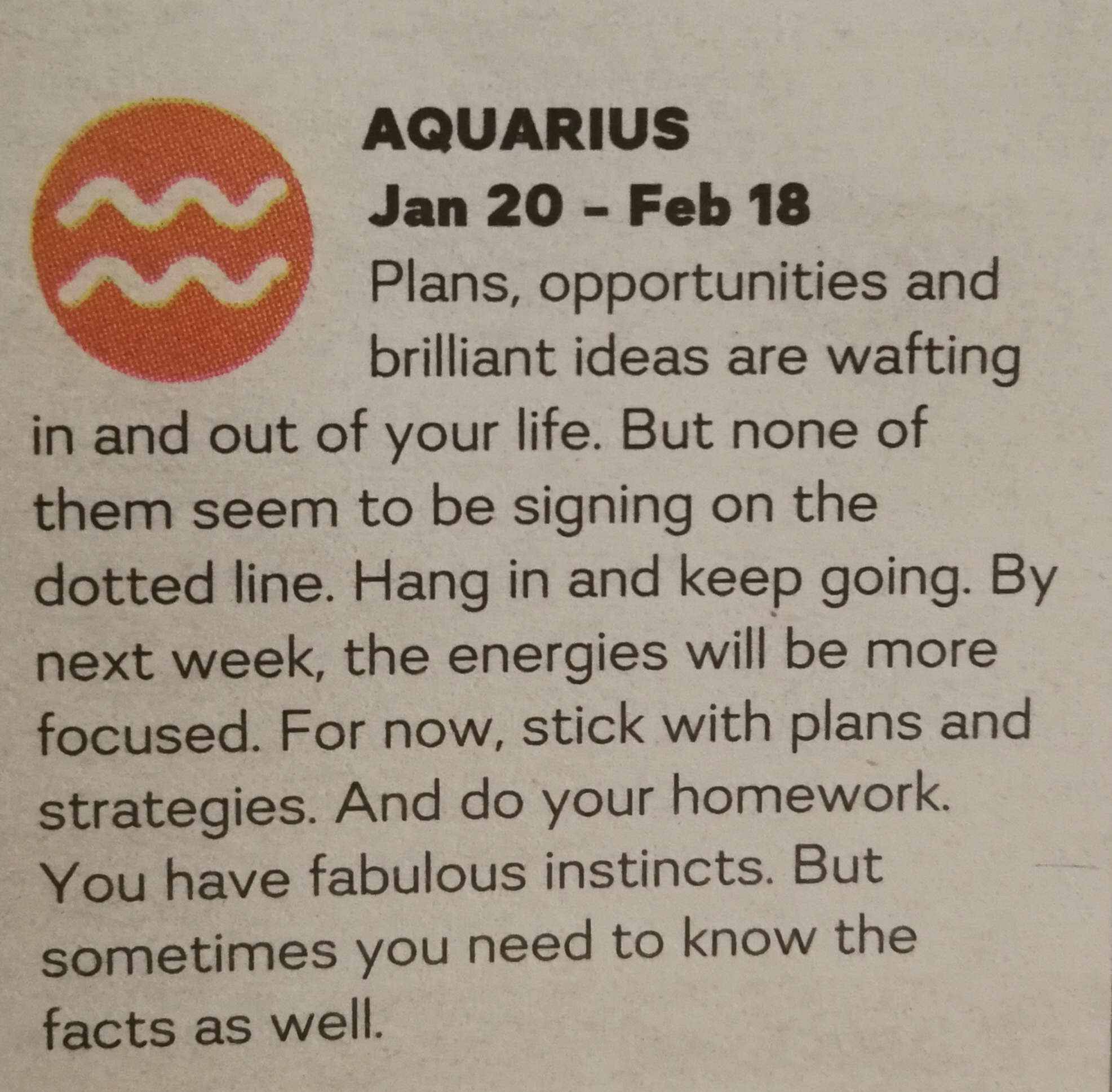
Does anyone know what is happening to the Sunday Times book pages? The spaces for the reviewing of local books seem to be shrinking drastically. My love will tease me after reading this, but I have an idea. (Apparently, it is something I say a lot.) Something needs to be done.

And my Sunday Times horoscope concurs:

Off to study the facts!

Good night.

Be kind. Stay at home. Wear a mask everywhere else.

“Physical distancing remains one of the key strategies to curb this pandemic.”

— NICD

Review: Landscapes of Light and Loss by Stephen Symons

Landscapes of Light and LossStephen Symons is a versatile wordsmith. His work has appeared in numerous publications locally and abroad. A writer who is as comfortable with prose as he is with poetry, Symons knows how to invite a reader on a journey of discovery. You never feel alienated when following in his literary footsteps, even if the topics are unfamiliar or difficult to confront.

Landscapes of Light and Loss is the follow-up to his luminous debut poetry collection, Questions for the Sea, which was shortlisted for the prestigious Ingrid Jonker Prize and received an honourable mention for the Glenna Luschei Prize for African Poetry.

Published in the Dryad Press Living Poets Series which is gradually building up an impressive list of titles, the author’s latest offering is as rewarding for the reader as his previous volume. Words, like water, can wash over you and create inner landscapes which offer solace and understanding. Sometimes you stand before them in awe. But Symons never attempts to dazzle with virtuosity. His poetry seduces with understatement.

Landscapes of Light and Loss opens with a shattering poem about climate change, one of the most pressing issues of our times. With the prefix “re” in “rediscovered” in the last stanza of Crows are Building Nests of Stone, Symons signals the momentous historical period we have brought about with our carelessness: “We have rediscovered the secret of fire / and slowly, / like a father ageing — / fields scab as the earth forgets rain, / the seasons have wasted to heat and bone. / Everywhere skin is flaking to ash.”

Love and loss mingle in the collection which is interspersed with moments of heart- stopping tenderness, as when the lyrical I speaks about “my children” who “have lived too few seasons / for mortality to take root, / they only know music / composed of light and awe, / choruses with no beginning or end” (Every Bone Knows Its Place), or when dreams are narrated in Three Dreams of Salt: “In my first dream your ankles wear a hem of salt / as if they had just returned from an empty beach / before it is combed by dawn.”

The reader’s senses are awakened with such lines as: “He imagined that a new book was what clouds, or perhaps a sunrise smelt like” (The Passing). Or: “The sea, / warm as / an infant’s bath” (Durban Surf).

Poems of remembrance bring a personal and political dimension to the collection. In Buffelsbaai, a conversation turns to the violent past and the men around a braai “run their talk / down / the evening’s spine / and feel history’s vertebrae / beneath its skin.”

Landscape of Light and Loss ends with a plea – “I wish I could make / every morning windless — / a sunned attic” – and another stunning image of calm: “like the meniscus of a pond / trembling under an insect’s weight.”

Landscapes of Light and Loss

by Stephen Symons

Dryad Press, 2018

Review first published in the Cape Times on 29 March 2019.

ON THE MINES at the Norval Foundation

rbt

I joined the Norval Foundation as a member after my second visit to the art museum. It has become one of my favourite places to go to, for art, coffee or a G&T with a view – the bar overlooks the artistically and botanically lush museum gardens.

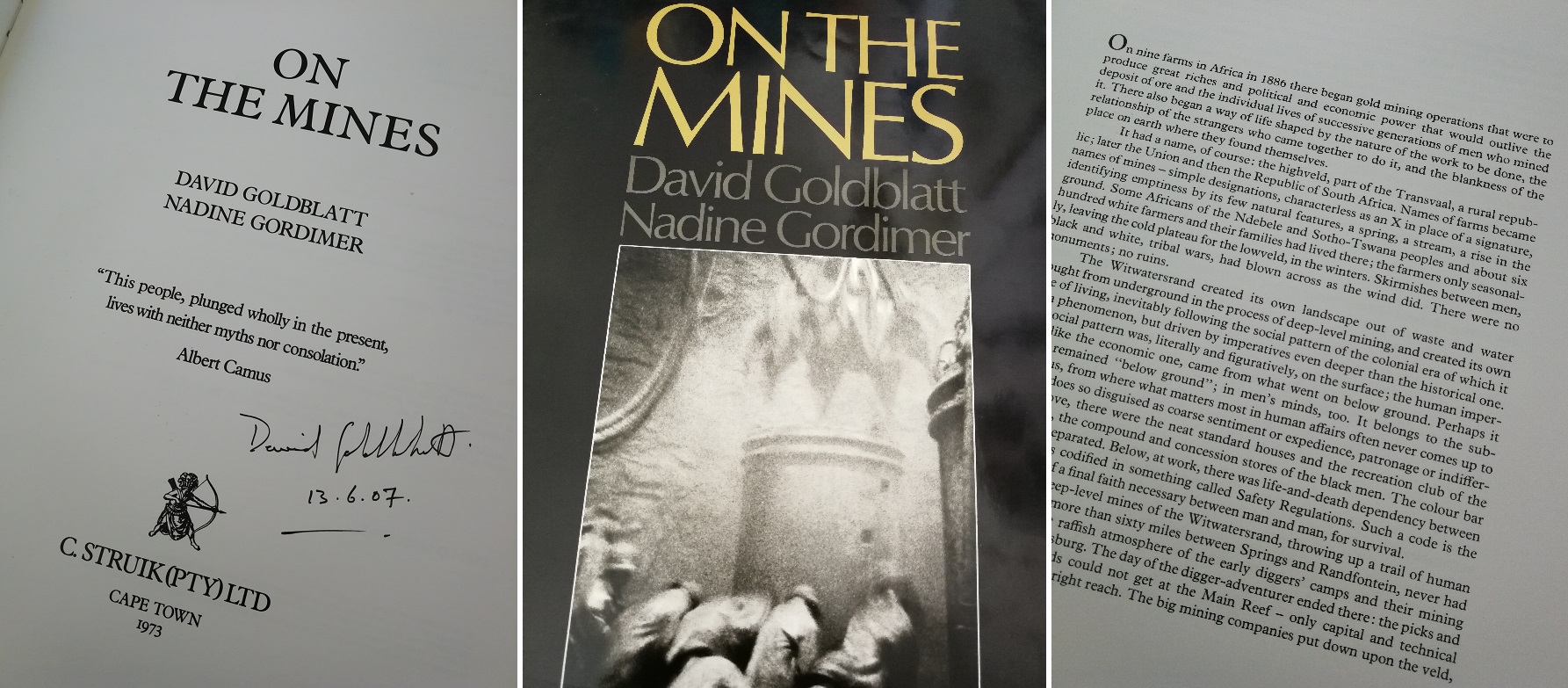
btrOne of the current exhibitions is very close to my heart: “On the Mines” by David Goldblatt.
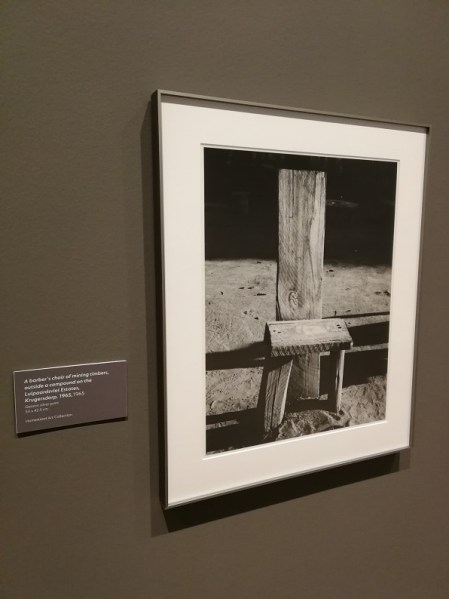
“Shown for the first time in its entirety, On the Mines: David Goldblatt is the last exhibition that the photographer personally helped conceptualise before his death in 2018. Goldblatt is revealed as the great chronicler and documenter of South Africa: the quiet observer of how the country, its peoples, its institutions and landscape have been inscribed by politics and power.”

btr btr

The photographs on display were partly published in 1973, in a book by the same title as the exhibition. The book included an essay by Nadine Gordimer, one of the countless texts I read when writing my PhD.

btr

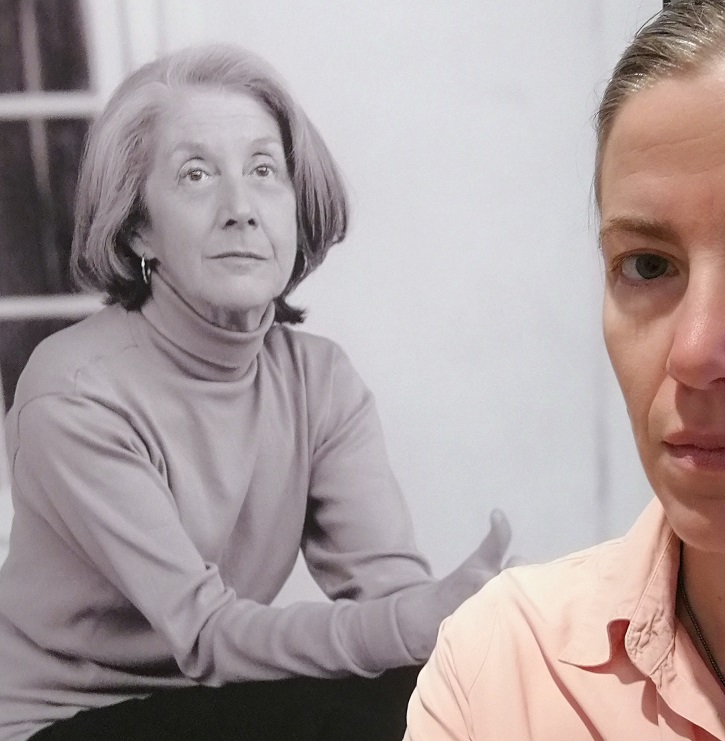
I cannot help but wonder whether I would be here today, living and writing in Cape Town, if it hadn’t been for Gordimer’s extraordinary work. Her writing – its beauty, probing wisdom – was my entry point to South Africa’s literature and then to the country. I will be forever grateful for the introduction. It was because Gordimer agreed to an interview that I visited South Africa for the first time fifteen years ago. The rest is history.

fbt

It is difficult to believe that she is no longer among us, but her work lives on, a great consolation. I hardly knew her, but the few hours spent in her company and the many years spent thinking and writing about her work make me miss her, a lot…

btr

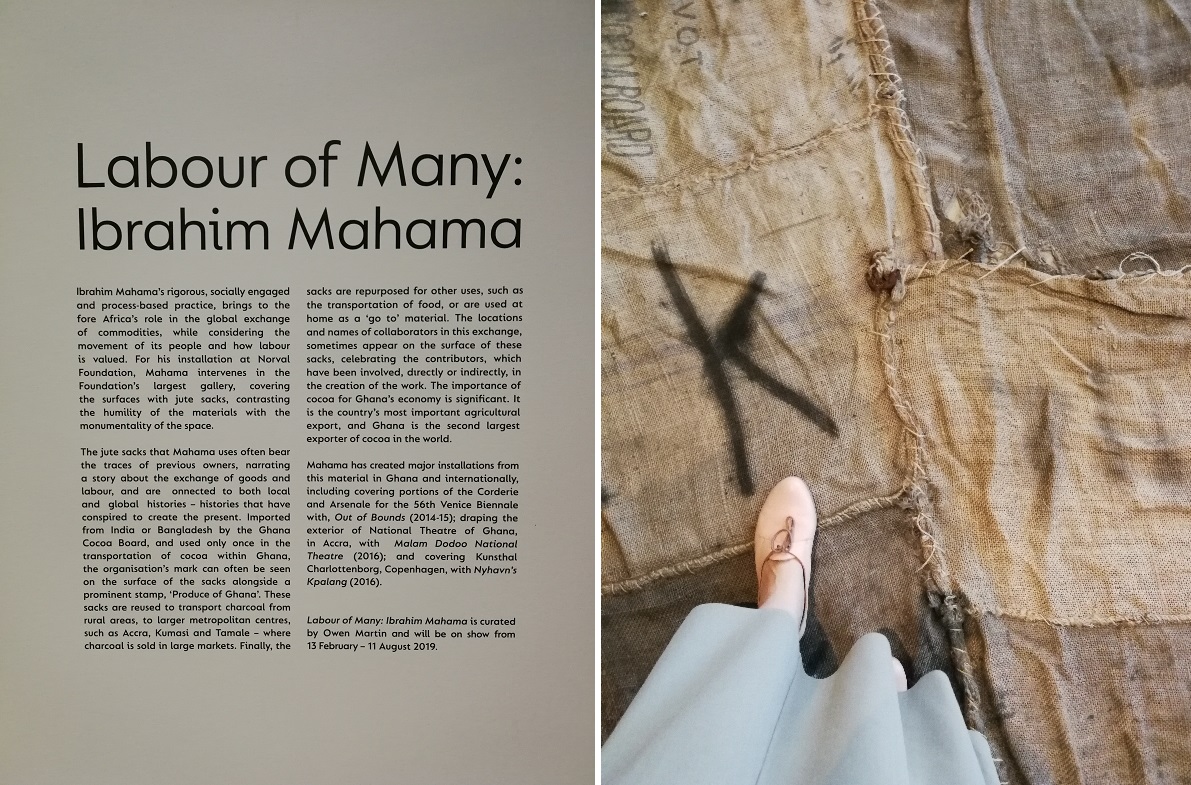
Three other stunning exhibitions can be seen at the Norval Foundation right now: the work of Yinka Shonibare and Ibrahim Mahama – thought-provoking and enthralling.

btrhdr

And then a collection of nudes from the Sanlam Art Collection. Not to be missed.

btr


What is Up Lit?

Kate Mallinder's avatarKate Mallinder - a writer's blog...

up-lit-blog-image

I recently had the pleasure of speaking on a panel about Up Lit at the Society of Young Publishers’ annual conference. With me on the panel were Lisa Highton from Two Roads, publisher of The Keeper of Lost Things and Martha Ashby, editorial director of Harper Fiction, but specifically in this case, editor of Eleanor Oliphant is Completely Fine. It was a fascinating session, so here is what was said about this relatively new genre of ‘Up Lit’.


What is Up Lit?

Highton commented that the term Up Lit was first coined about 18 months ago in a Guardian article talking about books with kindness at their centre. Ashby added that these books aren’t saccharine however – they deal with some big life issues; mental illness, loss, grief. But this is where it differs from other stories tackling similar themes; these books have a strong sense of community…

View original post 787 more words

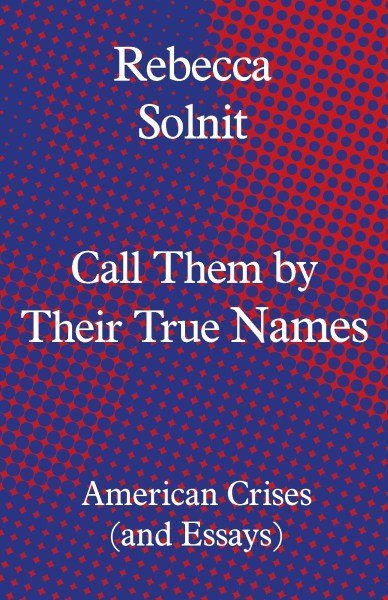
Review: Call Them by Their True Names – American Crises (and Essays) by Rebecca Solnit

Call Them by Their True NamesThe importance of truth and the careful use of language cannot be underestimated. “Precision, accuracy, and clarity matter, as gestures of respect toward those to whom you speak; toward the subject, whether it’s an individual or the earth itself; toward the historical record. It’s also a kind of self-respect”, writes the award-winning author and intellectual Rebecca Solnit in her latest collection of essays, Call Them by Their True Names. The individual pieces draw our attention to the roots of the present crises facing America and beyond: the infamous election of 2016, inequality, and climate change.

“Sometimes the state of our union seems like an absurdist thriller film that we would not have believed was possible, let alone likely, let alone real, had we been told about it a couple of years ago.” Unfortunately, current reality cannot be simply switched off. Creative effort is required to stop the rot.

Solnit considers “the act of naming as diagnosis”. She is very much aware that by diagnosing a “grim” situation, you will not necessarily be able to change or solve it, but “you’re far better equipped to know what to do about it.” Also, any “revolt against brutality begins with a revolt against the language that hides that brutality.”

In her usual fashion, Solnit’s astute analysis galvanises readers into action and supplies us with hope. We need to return to that state of affairs “in which you are, as the saying goes, as good as your word.” Addressing such diverse topics as isolation, cynicism, rage, activism, gentrification, violence, homelessness, revisionism, journalism, and the justice system, Solnit shows how not to remain passive, but to fight for what we believe in and are passionate about. With its integrity and clarity, Solnit’s writing is, as always, exhilarating.

Call Them by Their True Names: American Crises (and Essays)

by Rebecca Solnit

Granta, 2018

Review first published in the Cape Times on 2 November 2018.