
Pamela Power arriving at her first FLF
The feeling of impending doom had declared itself about a week in advance. André and I had been coming to the Franschhoek Literary Festival since its inception, sometimes as participating writers, always as readers. I can recall missing out on only one of the festivals because of travelling abroad. Since last year, I have been coming alone. Franschhoek in May is full of memories, literary and personal; before 2015, only positive. The FLF is a place where literature shines; where readers can mix and mingle with their idols or discover new books and writers to look forward to; where writers come out of their solitude to talk about their craft and passions, (re)connect, share stories, drink wine (occasionally wishing afterwards that it hadn’t been so freely available). Every year at the FLF, I have encountered fascinating readers and writers, met, or sometimes even only glanced, people who became very important to me, now dear friends.
Last year had been tough, but amazing in every respect. In one unexpected moment, I broke down, completely and utterly, but was held (thank you Alison Lowry), comforted (thank you Patricia Schonstein, who not knowing how to help otherwise, ran out into the night and brought me a volume of poetry where I found Karin Schimke’s poems, and reading them through the tears which insisted on spilling, I found inner calm again – enough to help another friend in distress later that night). I was alone, yet never alone.
This year, the loneliness beforehand was different, but just as overwhelming. And the closer the festival approached, the more desperate I became, reaching out for and grasping at anything which could save me from drowning. I felt so vulnerable, I nearly forgot how to breathe again. And once again, the beautiful people in my life – and the magic of their stories – provided a lifeboat, held me, comforted me.
Thursday morning found me soul-naked, on the edge of an abyss. Frightened, but brave, holding on. Loved. I knew what I had to do. At noon, I visited Parliament to pay my respects to a woman who crossed my path only briefly, but was a pathbreaker for numerous others all her life: Dene Smuts. Her family, friends and colleagues gathered in the old assembly building to celebrate this remarkable woman. I sat next to a friend who asked whether I had visited the place before. No, I said. She pointed out the spot just opposite us where Verwoerd was shot. And then pointed up at the gallery, and said she’d been present that day. This was also the room where the interim and current Constitutions were drafted, a process which Dene Smuts was closely involved in… Julia, her daughter (a fine writer who contributed to Touch), spoke beautifully about her mother. She moved me deeply with her tribute. Joanne Hichens was there, a friend of the family; now, my friend who – when she was still a stranger – came to me when I most needed her, bringing wisdom and care. I felt grand and intimate histories seeping in. Reeling, I drove home to meet another friend, freshly arrived from Joburg to spend the afternoon before the FLF with me: Pamela Power, the wonderful author of the equally wonderful Ms Conception. We had a late lunch at the Vineyard Hotel, basking in the sun in the Garden Lounge. She spoke about her idea for her next novel which sounds absolutely brilliant. In her hands, the theme and characters will thrive. I just know it!

In the evening, we drove out to Solms Delta where Richard Astor, Shaun Johnson, Mark Solms, Letebele Masemola and Vivian Bickford-Smith presented Jeremy Lewis’s recently published biography of Richard’s late father, David Astor: A Life in Print. To say that the event was inspiring would be the understatement of the year. Letebele Masemola reminded us that if it hadn’t been for The Observer’s coverage of the Rivonia Trial which brought it to the world’s attention, the accused would have been most likely condemned to death. David Astor was editor of the newspaper at the time. The stories and reports he ran saved those people’s lives. Just imagine if… Unimaginable! The power of the word, spreading, making it impossible for people to say, I didn’t know. History continuing to seep in…
 Richard told me that our celebration of André’s life on Solms Delta the previous year the evening before the FLF sparked the idea for the celebration of his extraordinary father’s life this year. The link touched me.
Before the event, Pamela and I walked around Solms Delta at dusk and I showed her Philida’s bamboo copse. We drank divine Solms Delta wine and Astor pear cider, met up with book friends, made new ones, laughed, bonded. The celebrations continued at a Penguin dinner in Franschhoek later that evening. It was beautiful to see Pamela falling in love with Claire Robertson – sensitivities and wicked senses of humour connecting.
But I was on the verge of breaking again, despite everything. I drove home that night to seek refuge in my own bed, with my Furry Family, the place where I feel safest. Restored sufficiently to face the next day, I went back to Franschhoek to have breakfast with Austrian friends who were in town for the festival before attending my first session: Elinor Sisulu paying tribute to Sindiwe Magona, a woman of true greatness, our national literary treasure. Then, a brilliant panel on “breathing life into history” with Nigel Penn, Claire Robertson and Alex Eliseev, chaired to perfection by Mike Wills.
Then, sheer despair.
Everything seemed out of control. What could have been was slipping through my fingers, and there was nothing I could do. Helpless, small, I went into shock. It wasn’t the impossible that I longed for, but that which remained possible and was drifting away.
I was still in tears five minutes before the first session I was meant to chair, with three of my favourite authors: Niq Mhlongo, Mark Winkler and Nick Mulgrew. Friends witnessed my distress, but felt as helpless as I was. I was hugged, there were reassuring hands on my arms. I took a deep breath, dried my tears, and went into the Hospice Hall, knowing that no matter what, I would not fail these authors I admired and respected.
Fortunately, my voice doesn’t shake when my body goes into shock spasms. I doubt anyone in the audience guessed that I was on auto-pilot, trying to control my trembling legs. I have sometimes hated myself for being able to graduate at the top of my class while my family home was breaking apart, but that’s how it was. Perhaps it is time for me to accept that this is who I am, always have been?
Niq spoke about witches being ordinary beings in his culture. I said I was a witch, but a rather modern one. I have given up on brooms and travel by vacuum cleaner only.
And I’d felt all along that safety nets would be required to survive the weekend, that I would have to rely on the love of my friends and safe places to do what was required of me. Days in advance, I had already arranged to have dinner with close friends that evening. After the event, with people telling me how much they had enjoyed our panel, all glowing and smiling with literary pleasure, all I could think of was: Get on that vacuum cleaner, Karina, fly away… I fled, forgot to have my books signed.
Something stirred in me that evening, watching the breath-taking sunset on the old Elephant Path which Philida, all courage and pride, walked before me to lay her complaint centuries ago. Against all odds. And just look how far she has come! In the car, I listened to a Mozart CD I got for my last birthday. Surrounded by all this beauty, seeping in.
At dinner, I was told that it was all right to feel misery at times. I was told of that one time when my friend was also in a tough spot, confessed to his buddy, only to be told, “I am sorry for all your shit.” I was told other stories that made me – made all of us – weep with laughter. A little boy I love dearly slept in my arms after dinner. The food was delicious. I might have had too much wine. But in bed that night I felt blessed. I slept, a realisation dawning which should have been obvious, but never occurred to me as clearly as that night. Unbreakable. I am fucking unbreakable, I said to my mirror image the next morning.
And that is when all else fell into place.
During the first session I chaired on Saturday morning with David Cornwell, Chinelo Okparanta and Nthikeng Mohlele, we spoke about “writing relationships” and I was no longer afraid to quote from one of the books under discussion, Nthikeng’s Pleasure:

It has not escaped me that reading this novel in preparation for the FLF, finding this quote in the book the previous weekend, was at the heart of my distress that entire week. Because I know that not being even forty, I can die now. Transformed. I understand the chances of me being allowed to live this kind of love twice lie in the realm of magic. But I am patient, fearless. I can cast spells.
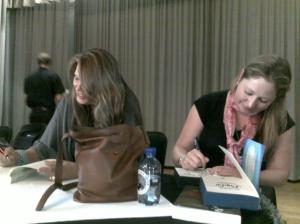
Meeting Nthikeng was a different kind of magic. He is the real deal, a writer of wisdom and beauty. What he wrote into my copy of his book assures me that there is a lot we can learn from one another. And I am eager. What an inspiration. What pleasure!

Photo: Fiona Snyckers
I arrived at the André Brink Memorial Lecture, given this year by our dear friend Sindiwe Magona, ready to celebrate love. Sindiwe made us reflect, laugh, cry – her words so deeply personal and universal at the same time. The way she spoke about André made me think about her: they both dare to speak truth to power. They do what writers do when at their best, and this insight was confirmed to me only minutes after the lecture for which Sindiwe received standing ovations: a woman walked up to the stage, asking Sindiwe to sign her copy of Chasing the Tails of My Father’s Cattle. “By reading this book, I have understood so much. Thank you. Your words are an inspiration,” she said.
So simple, so obvious, so magnificent.
I sat next to Sindiwe and thought: This is what it’s all about, those precious moments of truth, recognition, connection. This is why we are all here. This is what gives meaning to what we do. It was a powerful and timely reminder.
For a moment I was angry with myself, that I hadn’t realised any of this earlier, allowing pain and anxiety to nearly spoil it all for me.
 I attended other sessions. Wonderful to get to know Scarlett Thomas a bit. As always a pleasure to hear Jacqui L’Ange talk about one of the best novels of last year, The Seed Thief. Victor Dlamini spoke brilliantly about Flame in the Snow. Listening to Victor, I could only hope that he would be the next person to give the Memorial Lecture.
At the tiny gathering for the official announcement of the Ingrid Jonker Prize for poetry that afternoon, we heard beauty captured in words.
At the Sunday Times Literary Awards shortlists announcement just after, we were joined by evil. The juxtaposition beyond bizarre. I still feel discomfort about the entire event, something inside does not want to come to peace, although who am I to feel disturbed when there were others present who had suffered the unspeakable at the hands of this man. Who invited him? Why did he accept? Why did he cry? Do psychopaths cry? Who had the right to ask him to leave? How much faith in justice do we have? Did we have the right to tell his story, discuss it, him, and not allow him to listen? I thought of other men whom regimes turned into murderers, who were responsible for the deaths of thousands, but who were welcome among us. The word ‘complicity’ was flashing red in my mind.
Dazed, I rushed off to a dinner which could have been a complete disaster, but was saved by wonderful readers. When invited, I hadn’t been briefed properly what was expected of me at the event. I went thinking I would just be a guest. It turned out I was there to entertain other guests as a writer at their table. The horror of the situation struck me for a second. As an introvert, I need to prepare, brace myself for such occasions. But I was lucky. I think a lot of luck was on my side that entire weekend. I ended up at two tables full of fascinating people, who were passionate about books, life. I asked for their stories. They shared willingly.
 I slept peacefully that night, far away from my home and my Furry Ones, in a king size bed covered in books. On Sunday, I woke up to a picturesque view of the Franschhoek vineyards. The glorious autumn weather was screaming, Isn’t it just wonderful to be alive!? I had my own last session about literary letters in which Finuala Dowling (one of my favourite poets, writers; also perfect at chairing such panels – I sometimes attend events she moderates, just because of her) spoke to Margaret Daymond about Everyday Matters: Selected Letters of Dora Taylor, Bessie Head and Lilian Ngoyi and Karin Schimke and me about Flame in the Snow. Friends were there in the audience again, glowing from what they had witnessed. Full of praise and encouragement. I attended my last session of the festival with a huge smile on my face, which only widened listening to Jenny Crwys-Williams interview Kathryn White, Paige Nick and Scarlett Thomas about “sex on the page”.
On the way home, I visited a friend in the Devon Valley near Stellenbosch, was awed by the ridiculous views. We spoke about books and love and the nature of evil, had Nespresso and Mexican chocolate-covered nuts and coffee beans. She returned one of my Reachers to me, all satisfied with her latest adventure with Jack.
In the evening, the Furry Ones were eager to welcome me back home. I entered the house just in time to see Murray beat Djokovic in the Rome final. Miracles do happen. I went to the Waterfront to do some shopping: the bliss of driving through Cape Town on evenings like these… (Madonna dance tracks on full volume)! Before going to bed I looked up another dreaded piece of news, but both Poland and Austria seem to have scrapped through the Eurovision contest without embarrassing themselves too much this time (I watch every year if I can… yeah, I am South African by heart, but an Eurovision enthusiast still lives in there somewhere…).
On Thursday, Pamela told me about the energy one sends out into the world. That you must take care what you allow to go out as it will be returned to you. I thought of all the possibilities of experiencing beauty and meaning I, clouded by the pain, had nearly missed. Luckily – luck, that word again – only nearly. Luck is what we make of our opportunities.
I slept back home, covered in cats. In the morning I flew over to Noordhoek Beach where I always go to in times of pain and joy. I had the place to myself. Calm and beautiful. I sometimes think that my soul actually never leaves the beach. Perhaps that is why I have to visit often, to be fully restored to myself.
I walked, proud that I will continue gathering strength from walking along the sea, that there is no danger of me ever walking into the freezing waves. My footsteps all alone in the sand, I remembered that famous parable about Jesus… But I am not religious.

During the most trying periods of my life, it seems I know how to carry myself.
The power of love, literature is the sea that sustains me. Because all stories are love stories.
And I can do fucking magic.
 It is December 1907 in Tsau, Bechuanaland, after the Herero and Namaqua genocide perpetrated by the Germans occupying German South-West Africa, today’s Namibia. The Herero couple Tjipuka and Ruhapo have survived “the scattering”, but lost nearly everything in the process. When we first encounter them, they are together, but terrifyingly estranged. Tjipuka traces her husband’s body, trying to remember all that she’d loved about it, but the memories are overshadowed by his distance and the blood and cruelty of lies which haunt them: “Being dead made a lot of things uncertain.”
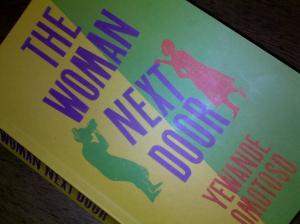 Neighbours: a word loaded with connotations. The biblical instruction of “love thy neighbour”, Verwoerd’s “policy of good neighbourliness”, Robert Frost’s “good fences make good neighbours”, and the usual neighbourly mistrust, animosity, even prejudice come to mind. Yewande Omotoso quotes Simone Weil for her epigraph: “The wall is the thing which separates them, but it is also their means of communication.”
 Sunday, 22 May, one of those glorious winter days in Cape Town: all light and revelation. It wasn’t even 9 am, but the queue in front of the Gardens Community Centre in Hatfield Street looked overwhelming.
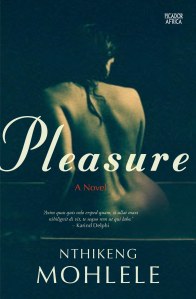 The title of Nthikeng Mohlele’s fourth novel delivers on its promise. Pleasure is a mesmerising, unusual book. At times I was hesitant to call it a novel. The story of Milton Mohlele, his dreams and musings, which he attempts to distil into writing, reads like a meditation. As literary history echoes in his name, Milton could be an alter ego for most writers seeking to find not only meaning but pleasure in the written word – to capture that elusive something which makes us sigh deeply with content when, if ever, we truly encounter it.


 Reading dead authors is not unusual, but opening the late Paul Kalanithi’s When Breath Becomes Air feels different. He wrote it knowing he was dying and it was published by his widow a year after his death. The immediacy of the knowledge is uncannily palpable. For me, the experience was even more intimate on two different levels. Firstly, I also had a cancer scare recently and Kalanithi was my age when he died. In retrospect, his memoir made me count my blessings, again, as I am healthy and have escaped with just a fright. Secondly, like me, as a young person he struggled to choose between two vocations: medicine and literature. Unlike me though, he chose medicine. But literary longings had never left him and when life became unbearable, like many of us he found some amount of solace in the written word.
 Every new book by Niq Mhlongo is literature to my ears. His three novels, Dog Eat Dog (2004), After Tears (2007) and
 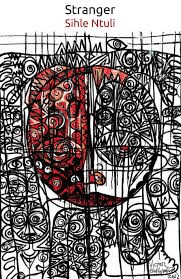 The thing with poetry is that it either works for you or it doesn’t. I do not know many people who read it for pleasure. Nowadays, poetry certainly seems to be an acquired taste. I often abstain myself, prose being my staple food. But every now and then a poem or, if I am lucky, an entire volume comes along that makes my heart swell with gladness. Sihle Ntuli’s Stranger is one of those gems. The author asked me to review his debut poetry collection. I do not know why, but I am delighted, and honoured, that he did.
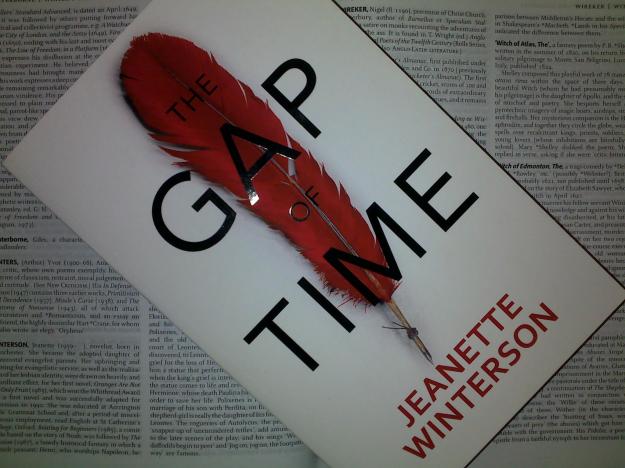 Jeanette Winterson is one of my favourite writers of fiction and non-fiction. Her recent memoir Why Be Happy When You Could Be Normal (2011) was a revelation. I was introduced to her work at university with the by now classic novel Oranges Are Not the Only Fruit (1985). Her Lighthousekeeping (2004) is one of the most moving love stories I have ever read. Among many texts, it echoes Virginia Woolf’s To the Lighthouse. The main character Silver reappears in other Winterson novels. As does the line: “Tell me a story.” Winterson is known for her retellings of myths and legends, her writing is rich in intertextuality. I loved her modern rendering of the Atlas myth, Weight (2005).
