Category Archives: Memories

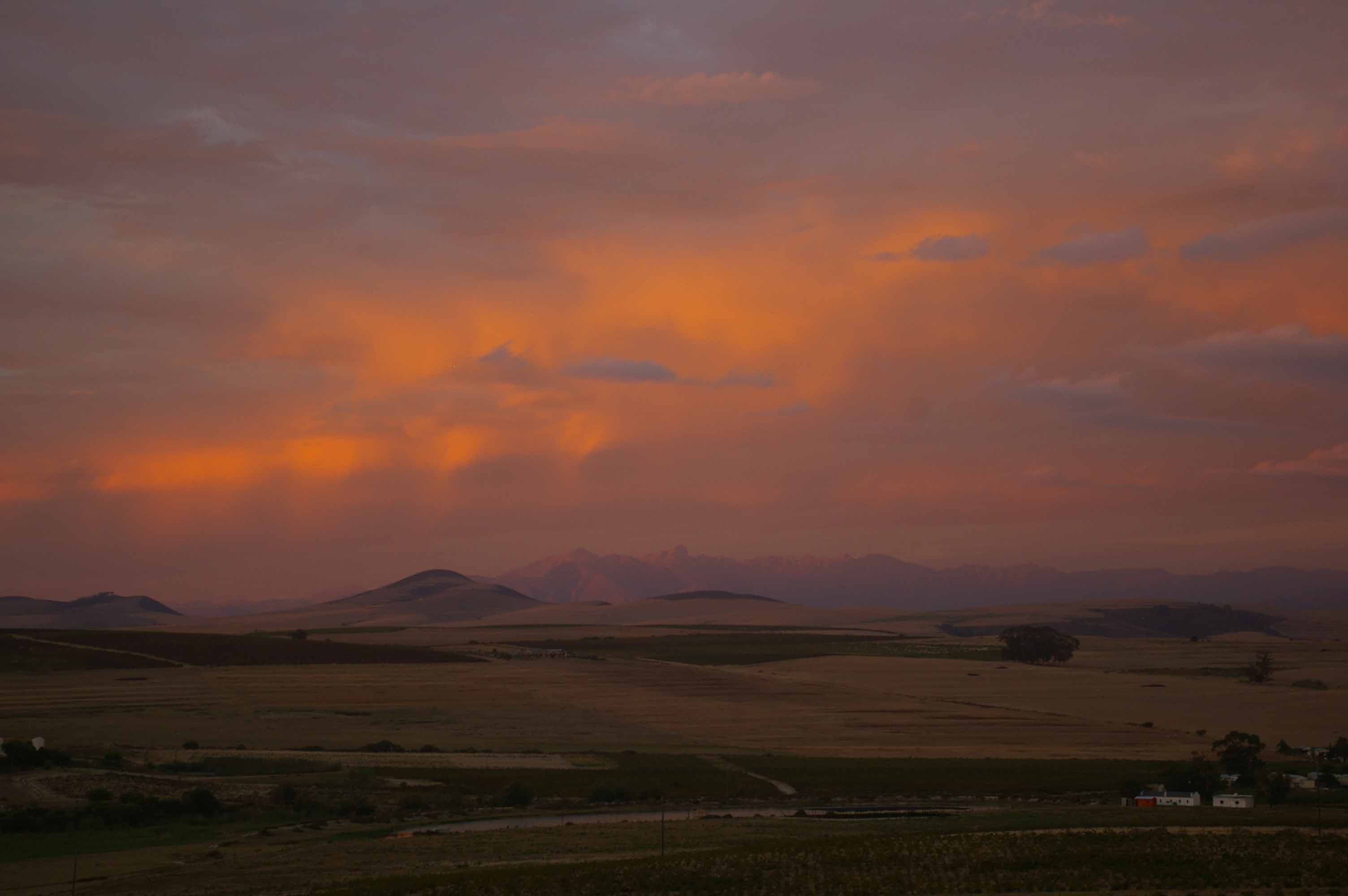
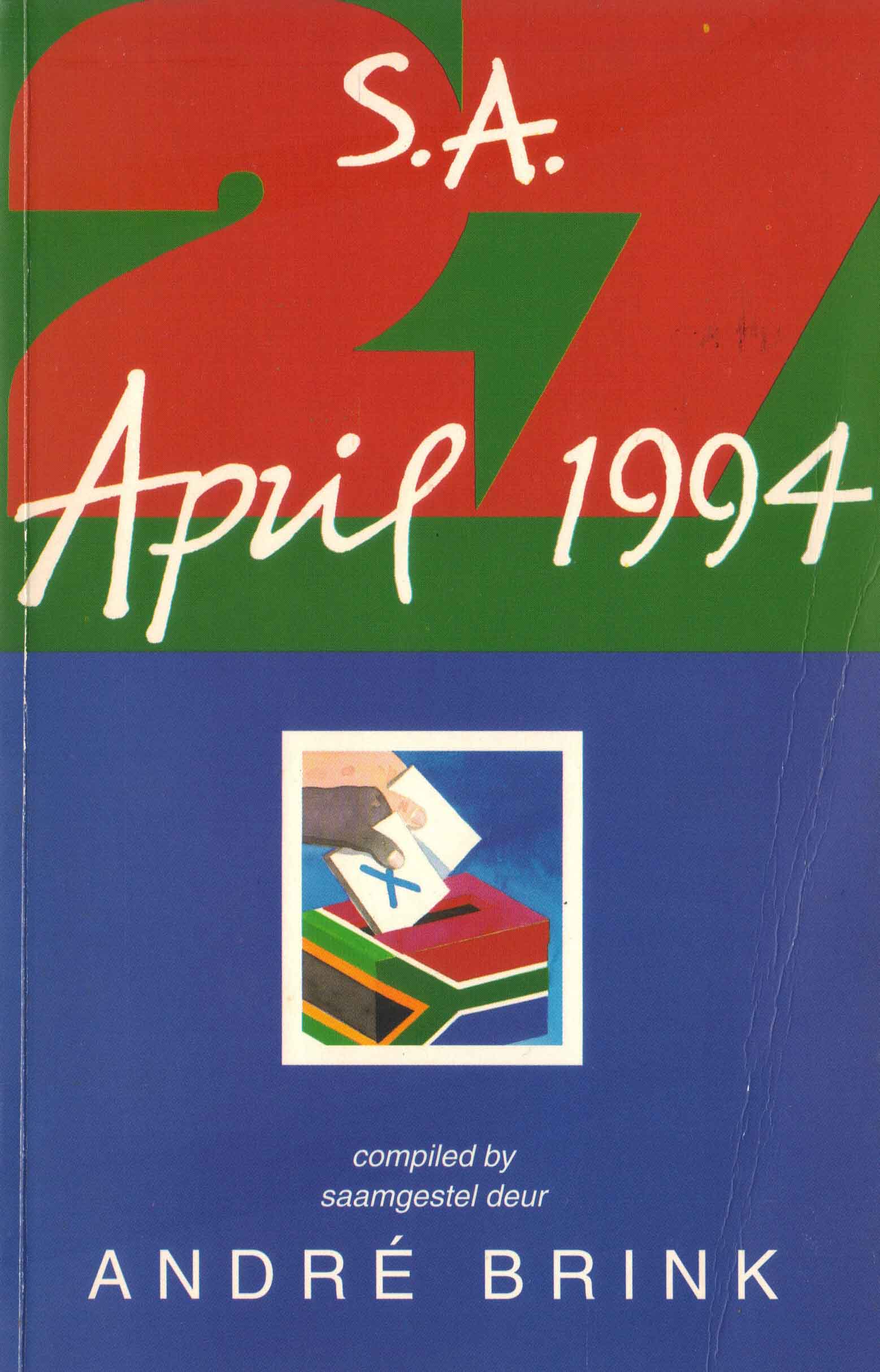
27 April 1994: Two Decades Later

27 April 1994SA 27 APRIL 1994: AN AUTHORS’ DIARY * ‘N SKRYWERSDAGBOEK (Queillerie, 1994)
Edited by André Brink

“…here was an opportunity for writers to test their word against, arguably, the most remarkable moment in their history.” André Brink in “To the Reader”, p. 8.

“Later, sun low, tide running out in me, I bus into the township shack of my dear love, my need of her never so strong.
[…]
She reads me, smiles, her eyes soft in the room’s dusk, her hands beckoning me to come.
‘It’s done,’ she whispers, ‘we have walked the last mile!’
Later still, I help her to the bed. We are careful with each other as though we hold a fine glass, and my heart sings.
Yes, against all odds, my heart sings.” Tatamkulu Afrika in “Against All Odds, My Heart Sings”, p. 13.

“Mens se hart is bly: niemand gaan hierdie stukkies toekoms wat die mense vashou weer kan wegneem nie. Byna wil ek sê: hierdie land se politici verdien wragtig nie so ‘n wonderlike bevolking nie.” Breyten Breytenbach in “Joernaal van ‘n wending”, p. 25.

“The day has been captured for me by the men and women who couldn’t read or write, but underwrote it, at last, with their kind of signature. May it be the seal on the end of illiteracy, of the pain of imposed ignorance, of the deprivation of the fullness of life.” Nadine Gordimer in “April 27: The First Time”, p. 52.

“We all know that it won’t be a smooth road ahead.” Jenny Hobbs in “The Day We Minded Our Peace in Queues”, p. 60.

“An Organisation must be disciplined, purposeful, and idealistic in a good sense. It must also be diverse, in that it must encompass others, beyond its own affiliates. It must be committed and dedicated to one goal and one goal only: to change the miserable conditions of people to enable them to live full and rich lives; it must inspire them to realise their full intellectual potential.” Mazisi Kunene, p. 73.

“My greatest victory and achievement as an individual is to know that my children and grandchildren and their age groups in my community move with grace and dignity as full-fledged citizens of South Africa, and with full rights to determine the future of our country.” Ellen Kuzwayo in “The First Democratic Elections in South Africa”, p. 80.

“Peace is like an undying light / Shining and glowing from within / Within each one of us” Gcina Mhlophe in “Peace Is Within”, p. 85.

“Perhaps it [Table Mountain] was reaffirming its old lesson on faith: on election day. That the future is there for us: we need to have faith in it, and in ourselves. And so I ended my day unemotionally, but deeply affirmed.” Njabulo S Ndebele in “Elections, Mountains, and One Voter”, p. 95.

“I picked up the pencil that was well chewed and attached to the makeshift desk by a length of string and put my cross, quickly, trying not to agonise about it yet again.” Mike Nicol in “Voting at the Camel Rock Café”, p. 98.

“Wanner iemand my vra wat dink ek van ons toekoms, dan antwoord ek ons mag die toekoms nie ken nie: so bly elke dag ‘n avontuur.” Jan Rabie, p. 108.

“So, Mammie en Derri, cheers! Ek leef – kyk, ek leef – in ‘n nuwe Suid-Afrika!” Adam Small in “Feniks: ‘n brief, kamma, aan my ouers (wat al dood is)”, p. 123.

“It was after three hours walking, at 7 am, that I cast my two votes at the Dwarsrivier polling station. It was quite clear that I was the very first person to vote there. No doubt the IEC staff manning the station had been expecting something extraordinary all along, but not for the first voter suddenly to appear, as I had done, out of the mountains behind the school-hall that served as the polling station.” Stephen Watson in “Voting With My Feet”, p. 162.

“Want vir die heel eerste keer in my lewe was ek ‘n vry Suid-Afrikaan.” Melvin Whitebooi in “Au revoir”, p. 171.

Contirbutors: Tatamkulu Afrika, Hennie Aucamp, Chris Barnard, Breyten Breytenbach, Kerneels Breytenbach, André Brink, Achmat Dangor, Abraham H de Vries, Arthur Goldstuck, Jeanne Goosen, Nadine Gordimer, Rachelle Greeff, Jenny Hobbs, Peter Horn, Daniel Hugo, Elsa Joubert, Antjie Krog, Mazisi Kunene, Ellen Kuzwayo, Dalene Matthee, Mzwakhe Mbuli, Gcina Mhlophe, Petra Müller, Njabulo S Ndebele, Mike Nicol, Welma Odendaal, Abraham Phillips, Marguerite Poland, Jan Rabie, Albie Sachs, Riana Scheepers, Gus Silber, Adam Small, Berta Smit, Peter Snyders, Klaas Steytler, Alexander Strachan, Pieter Dirk-Uys, Madeleine van Biljon, Marita van der Vyver, Marlene van Niekerk, Lettie Viljoen (Ingrid Winterbach), Stephen Watson, George Weideman, Melvin Whitebooi
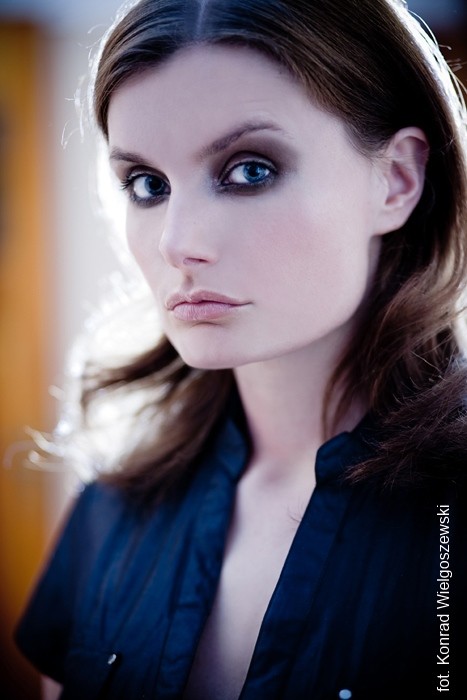
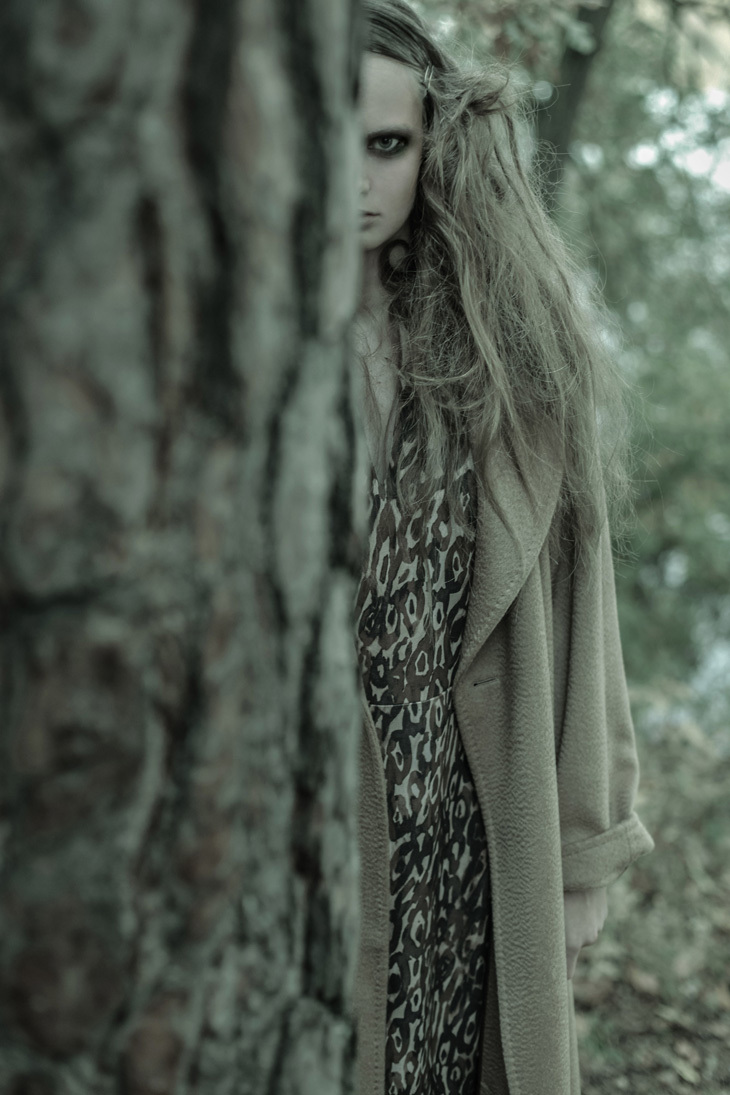
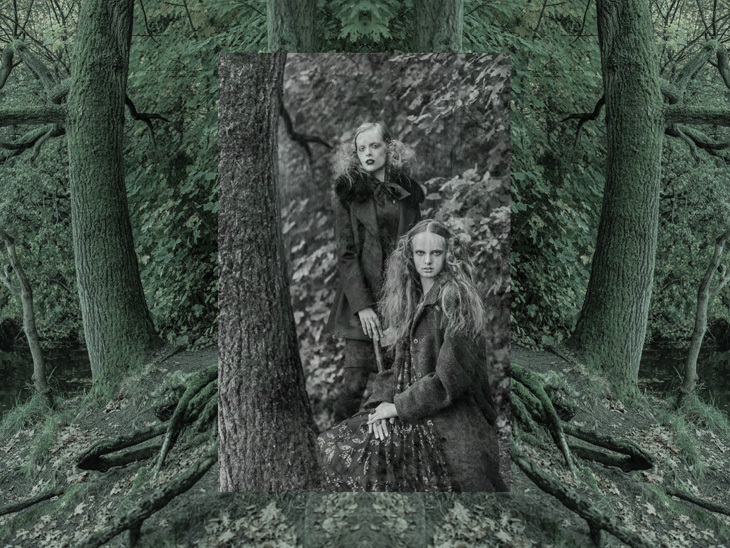
Magda Lipiejko (1976-2014)

Magda Lipiejko

Magda Lipiejko

The generations in my family overlap in a strange way. I have aunts and uncles who are roughly my age. One of them married a woman who was also only a year older than I. I never really got to know her, but there was this one summer over a decade ago when I visited them in Szczecin, Poland, and stayed for a while, nursing a broken heart.
Even back then, my aunt Magda was already a recognised photographer, make-up artist and stylist, owned a successful model agency, exhibited the most astonishing drawings which reflected her boundless imagination, and contributed wise and edgy articles to local publications. She had a Master’s degree in philosophy, read Tarot cards in her free time, and designed her flat to look like something out of a style magazine. Magda loved Henry Miller and wrote her blog under the pseudonym June Miller. She was a mother, too.
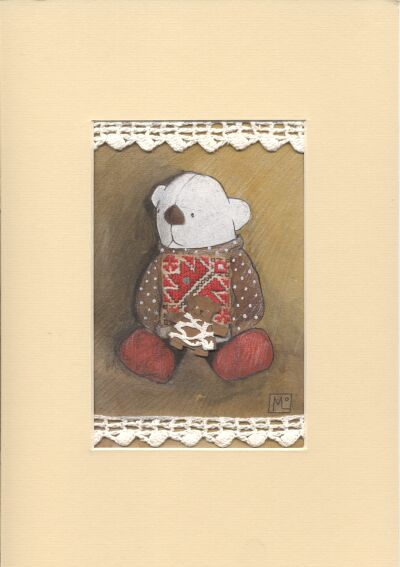
Mis w swetrze (Teddy in pullover) by Magda Lipiejko

Mis w swetrze (Teddy in pullover) by Magda Lipiejko

The first two drawings I ever bought from an artist were hers. They travelled with me to Cape Town and hang opposite my desk where they inspire me every day. After I met her, Magda and I corresponded for a while, but then we lost touch. The last time I wrote to her was for her birthday a few years ago. She did not reply. But there were no hard feelings. On the contrary: ever since that summer in Szczecin, I thought about her nearly every time I drew, wrote, saw a Tarot card, bought a new furniture piece, put up my hair, or took photographs. She and her work were a constant source of inspiration. Lace reminds me of her. And a certain type of drinking glasses. And old-fashioned scissors. Sepia photographs and old postcards. Alice in Wonderland. She shared a birthday with my Grandma and a dear cousin, so I always remembered her then as well. Full of admiration, I often looked at her websites and was happy to see that she was prospering, following her visions and making them come true. I dreamt of having my author’s photograph taken by her one day.
Through the family grapevine I found out that my uncle and Magda separated some years ago. At some stage someone in the family mentioned that she was not well. I might have written that last letter for her birthday because of those rumours. I don’t know. Nobody else mentioned anything about her for several years until this February.
Photo by Magda Lipiejko

Photo by Magda Lipiejko

The message came late at night. Magda died of cancer just after her 38th birthday. A cousin told me that until the very end she believed that she would recover. She was strong, beautiful, fiercely intelligent and multi-talented. In her short life, she achieved more than most others do given twice the time.
After the news of her death reached me, I visited her websites and her blog. I spent days looking at her photographs and reading her texts. In the same week, I received the first copies of Invisible Others. Holding them in my hands, I thought again of Magda (I know I would have even if she had still been alive). There I was, so proud and happy, so full of hope for the future and the many other novels I was going to write. And I thought that this is also how it must have been for Magda before her death. She must have also had these dreams. And she should have had an entire lifetime to fulfil them. It pains me deeply to know that she did not get that chance. But I am grateful for the words and images she has left behind. In them, she lives on, continues to inspire. It was her blog that made me overcome my reluctance to have one of my own again (unfortunate experiences in the past made me weary of the medium). And here I am, thanks to her.
I am glad that I told her how much her work means to me before it was too late, and I am infinitely grateful for everything she has given me.
I miss her.
Photo by Magda Lipiejko

Photo by Magda Lipiejko

Spring in my Mother’s garden

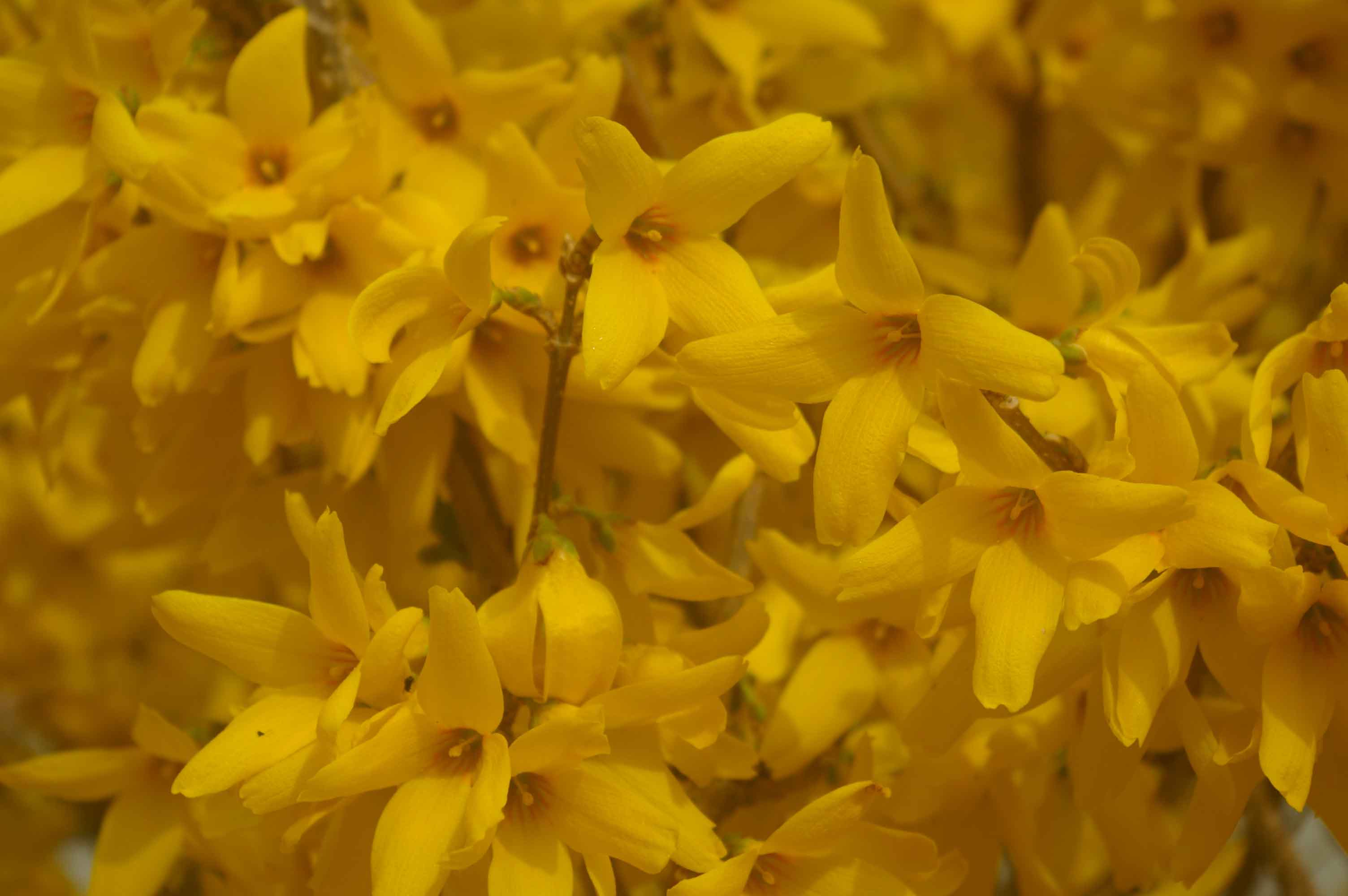
Flowers4Flowers3Flowers2Flowers1My Mom has green fingers, and I am certain that her toes are green, too. Ever since I can remember, our house was full of plants and flowers. Often, they did not belong to her, but were only staying with us like guests at a spa or clinic, for treatment or convalescence. Wherever we lived, people soon came to realise that my Mom could heal or bring back to life the most neglected, suffering plant. And she could never say no to an abandoned philodendron or cactus. I haven’t inherited her gift, but I do try to keep my wild garden in Rosebank, Cape Town, happy. My Dad always said that one has to reach a certain inner maturity to garden happily and successfully. Not sure about the successfully, but there is happiness all around. Perhaps I am gradually getting there?
I recently visited my Mom in Uttendorf, Upper Austria, and took a few photographs of the flowers in her garden. Spring at her most beautiful!

Solitude of a different kind

First edition

First edition

Years ago, a family friend lent me a copy of the novel in Polish translation. The cover was mostly black with some image in front I can’t recall. I also don’t remember our friend praising the book in any particular way. He just thought I needed to read it. The novel waited for me on my bedside table for a few months, perhaps longer, if memory serves me right. Luckily, our friend was in no hurry to get it back. I must have been about 20 years old, at university, buried under tons of other books and deadlines.

All of these are vague recollections.

What is distinct in my memory is the getting lost inside the novel after reading only a few pages. All else ceased to matter. I entered a completely different world. Every page was like a door opening on a new space in my head and in my heart – none of which I had a clue existed before. The experience was mind-blowing, earth-moving, and simply beautiful.

Who says a book cannot change the world? Sto lat samotności did, not only for me. In its many translations the novel has enthralled millions of readers around the world.

Published in 1967, ten years before I was born, Cien años de soledad is a classic in the truest sense of the word. Its author, Gabriel García Márquez, died yesterday at the age of 87. May he rest in peace. May his words live on forever.